

If you are a landowner in Tamworth or the surrounding areas, this guide will help you understand site remediation, its causes, and how professional contractors can resolve it.
Site remediation is the process of identifying, containing, and removing contamination from land or structures to make a site safe for future use.
It is often necessary before development, sale, or change of use. It is particularly relevant to the New England and North West NSW regions, where rural and industrial land use creates specific needs for site remediation Tamworth City.
Why Does Site Contamination Happen?
If you are a property owner, developer, or business operator in regional NSW towns such as Tamworth, Armidale, Moree, and Narrabri, you should understand how your land may have become contaminated.
Some of the common causes include
- Previous industrial or agricultural activity on the land, particularly if they had storage tanks which leaked petrol or other chemicals
- Pesticides, herbicides, or fertilisers remaining on farming properties
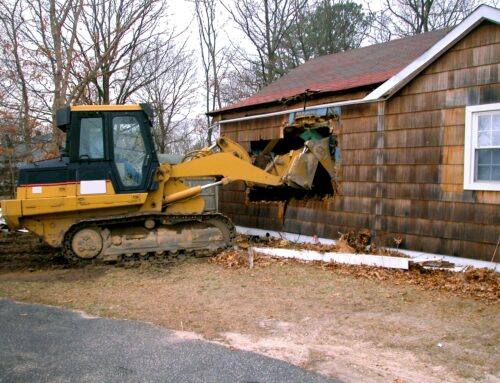
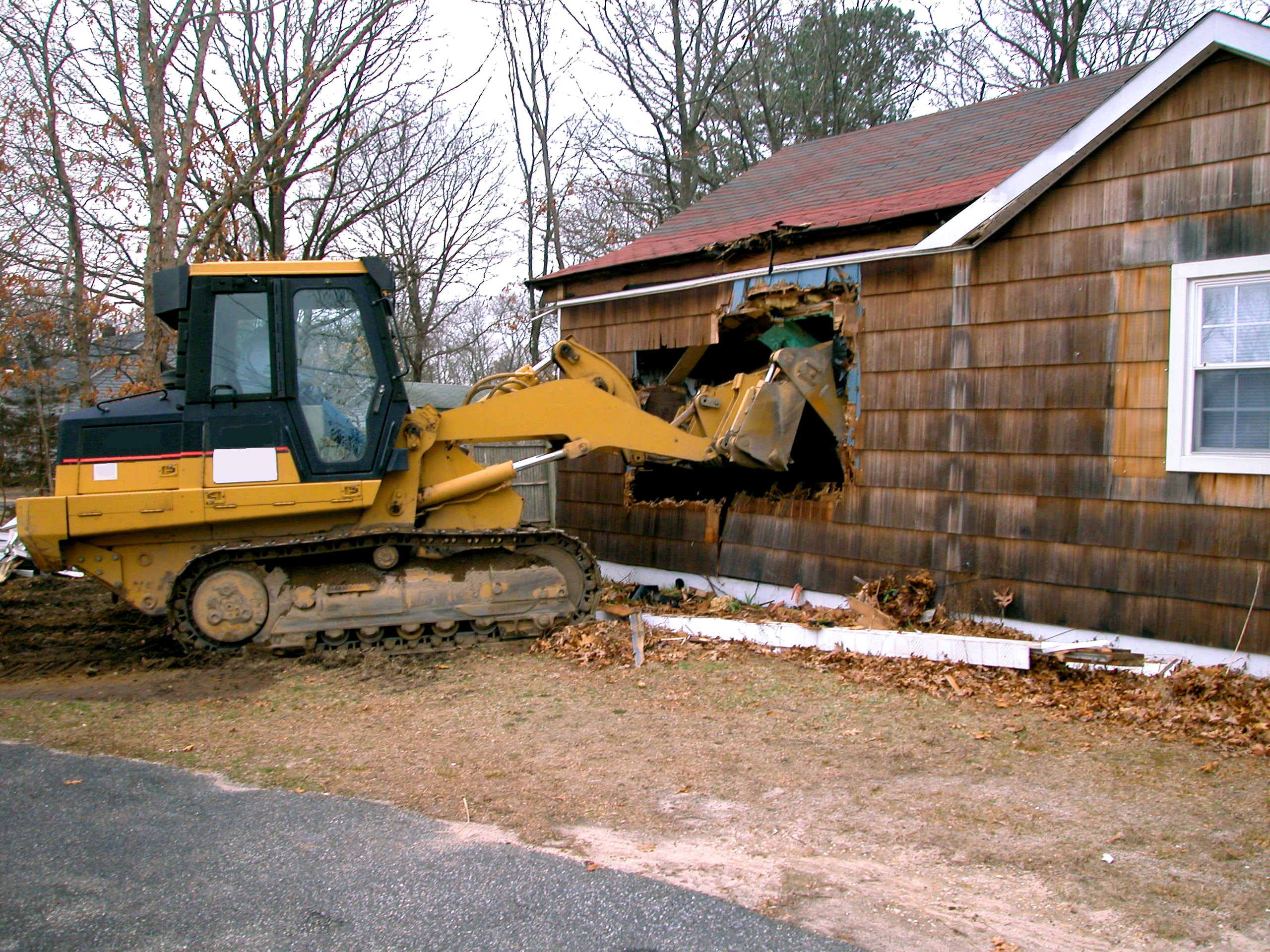
- Inefficient and unprofessional land clearance following the demolition of older buildings containing asbestos or lead-based paint
- older buildings containing asbestos or lead-based paint
Irresponsible waste disposal, including the illegal dumping of hazardous materials - Accidental chemical spills or fire damage residue
Who Needs Site Remediation?
Or, “Does remediation apply to your situation?”
- Property developers and landowners applying for development consent in NSW, especially after the recent demolition of buildings or structures
- Farmers attempting to change land use from agricultural to residential or commercial
- Business owners dealing with the aftermath of a chemical spill and anyone acquiring land with an unknown or industrial history
Types of Contamination
In this section, we detail the main categories of contamination.
Soil Contamination
Some contaminants likely to be in soil in NSW:
- Hydrocarbons, such as diesel, petrol, lubricants, and industrial solvents
- Heavy metals, like mercury, lead, cadmium and arsenic, from industrial processes
- Pesticides and herbicides, previously used on agricultural properties common to regional NSW
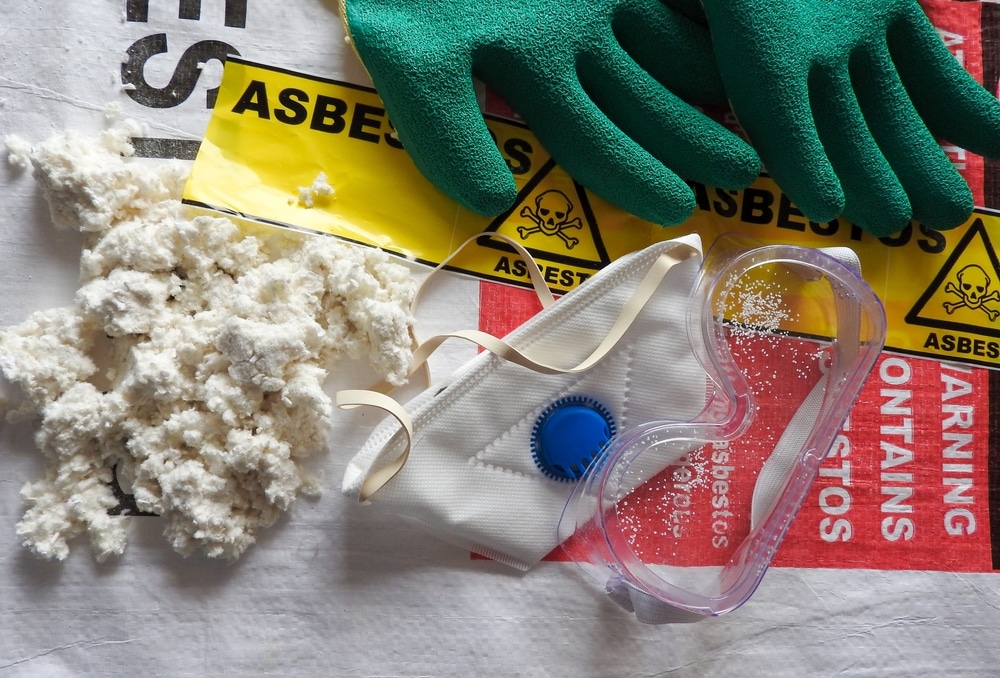
- Asbestos fibres from demolished structures, especially pre-1990 buildings
Groundwater Contamination
- Soil contaminants can leach through the soil into groundwater over time
- Leaking underground storage tanks and poorly contained chemical spills are a common cause
- Groundwater contamination can spread beyond the original site boundary, posing risks to drinking water, irrigation, and local ecosystems
- This is particularly relevant to rural areas relying on bores and groundwater
Building Material Contamination
Particularly relevant to demolition projects with hazardous materials within the removed structure:
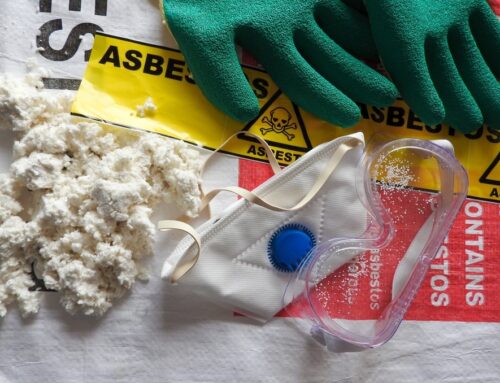
- Asbestos was used widely in Australian construction until the mid-1980s, and lead-based paint was commonly used in buildings constructed before 1970
- Polychlorinated biphenyls (PCBs) may be found in older electrical equipment and materials
- The risks to health mean these types of contaminants require specialist identification before any demolition or building work begins
The Four-Phase Site Remediation Process
This section is your checklist. A professionally conducted project will include these steps.
Phase One: Preliminary Site Investigation
- The PSI includes a review of the site’s history, including past land uses and ownership, plus an inspection of aerial photographs, council records, and environmental databases
- A site walkover will be conducted to identify visible signs of contamination
- No soil or groundwater sampling takes place at this stage
- A report is produced identifying whether further investigation is warranted
Phase Two: Detailed Site Investigation
- Samples of soil, groundwater, and sediment are taken from various depths and locations across the site and submitted for laboratory testing
- The laboratory analysis identifies the type, concentration, and extent of contamination
- The outcome is typically a detailed report that informs the remediation strategy
Phase Three: Remediation Action Plan
- The Remedial Action Plan (or ‘RAP’) is developed by a qualified environmental consultant based on the report created during phase Two
- The RAP should outline the specific remediation methods to be used and address health and safety requirements for workers and surrounding residents
- It sets timelines, budgets, and performance criteria for the remediation work
- Approval of the plan by the relevant regulatory authorities must have been received before work commences
Phase Four: Remediation, Validation, and Monitoring
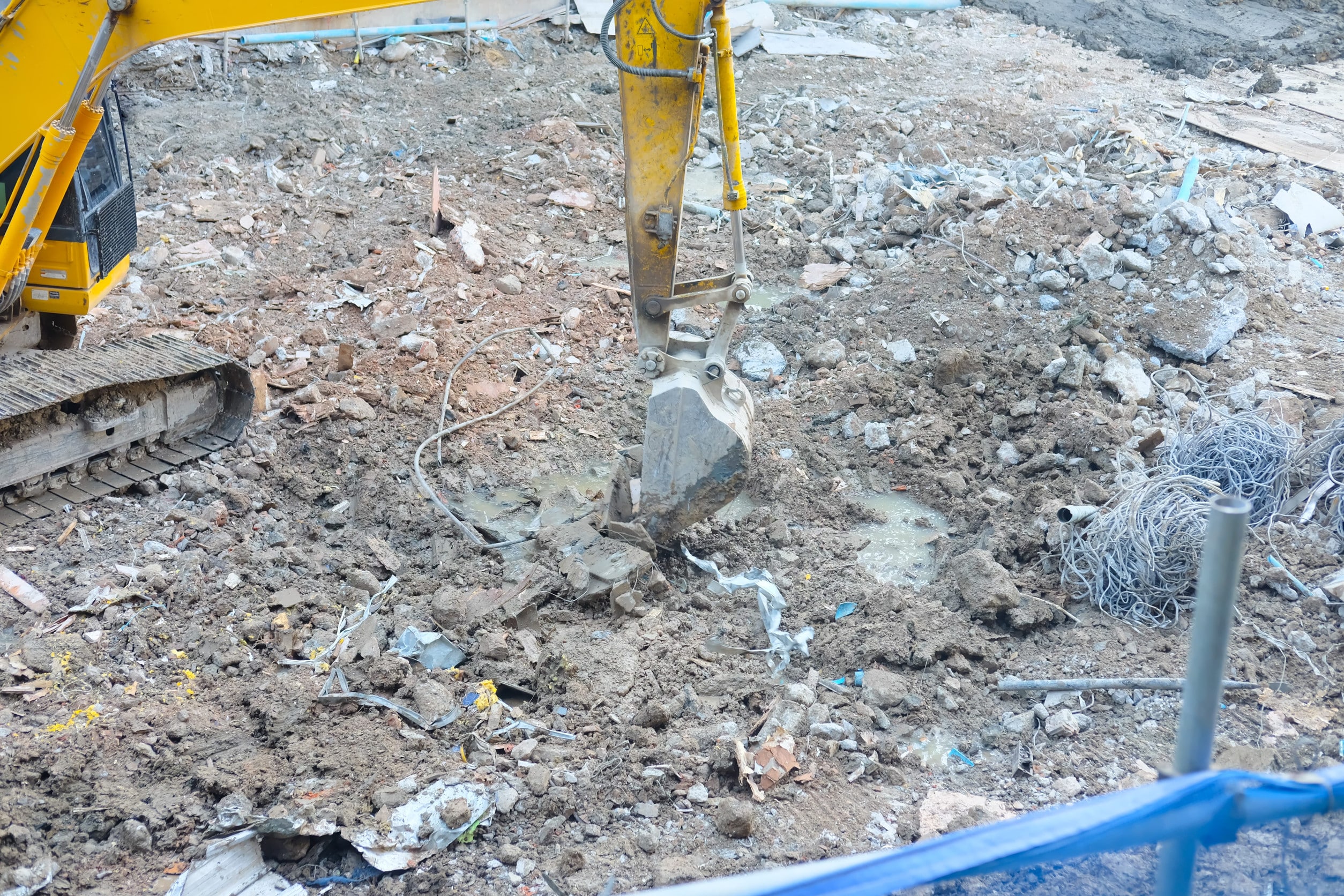
- Physical remediation often involves the excavation and removal of contaminated soil, bioremediation, chemical oxidation, soil washing, or thermal treatment
- If groundwater treatment is needed, it may involve pump-and-treat systems or in-situ bioremediation
- Final testing confirms the work has met the required safety standards through post-remediation sampling
- A Validation Report is normally prepared as confirmation of compliance
Remediation Methods at a Glance
The most common remediation techniques used in Australia.
- Excavation
- Contaminated soil is transported to a licensed disposal facility
- Bioremediation
- using microorganisms to break down contaminants naturally
- Chemical oxidation
- The injection of oxidising agents into soil or groundwater to neutralise pollutants
- Soil washing
- Water or chemical solutions wash contaminants from the soil
- Thermal desorption
- Using heat to remove organic contaminants
- Soil vapour extraction
- Drawing contaminants out of soil as vapour through a vacuum system
- Phytostabilisation
- The use of plants to immobilise contaminants and prevent their spread
Speak to a Local Expert
Tamworth City Demolition offers site remediation services across Tamworth, Armidale, Glen Innes, Inverell, Moree, Narrabri, and Tenterfield.
Our team has hands-on experience with both residential and commercial remediation projects throughout the New England and North West NSW region.
Contact us to discuss your remediation project and arrange a site visit.




Leave A Comment