
Along the Central Coast, homeowners are sadly looking out their windows at a swimming pool they haven’t used for ages, but still have to maintain.
If this sounds like you, you need Central Coast pool removal. Rest assured, professional pool removal is an efficient, cost-effective process.
Discover how the actual removal approach can vary depending on the pool construction. Find out about local authority permits and approvals, and see our step-by-step process overview, so you will understand what is going on.
Why Remove Your Pool?
Many homeowners have doubts about removing their pool, but the process can help to address common pain points.
The Cost of Keeping an Unused Pool
- Maintenance costs are constantly on the rise. This includes chemicals, cleaning equipment, heating and inspections
- Mandatory compliance requirements under NSW legislation, including registration on the NSW Swimming Pool Register and the need to comply with safety regulations following the local authority checks
- Pool fencing requirements and the liability that comes with owning a pool, particularly for families with young children or elderly relatives
Reclaiming Your Outdoor Space
- Potential uses for your cleared yard
- A bigger lawn, for children and pets to play on
- A patio or outdoor dining area, for family and friends
- A vegetable garden for chefs, or keen gardeners
- Extra shed
- A beautifully landscaped garden, for you
- The increase in usable land area could make your property more attractive, particularly on smaller suburban blocks
- Imagine the lifestyle shift from pool maintenance to enjoying your backyard
Property Considerations
- An unused or poorly maintained pool can affect the value of your property
- Once removed, the former pool area is generally not suitable for structural additions or dwellings, but may be usable for sheds, paving, landscaping and garden beds
- It is highly recommended that you discuss your plans with a licenced contractor before committing to removal
Choosing the Right Removal Approach for Your Pool Type
Homeowners often don’t realise that different pool types require different removal methods.
Concrete Pools
- The most labour-intensive to remove due to the thickness of the shell and the presence of steel reinforcement (rebar)
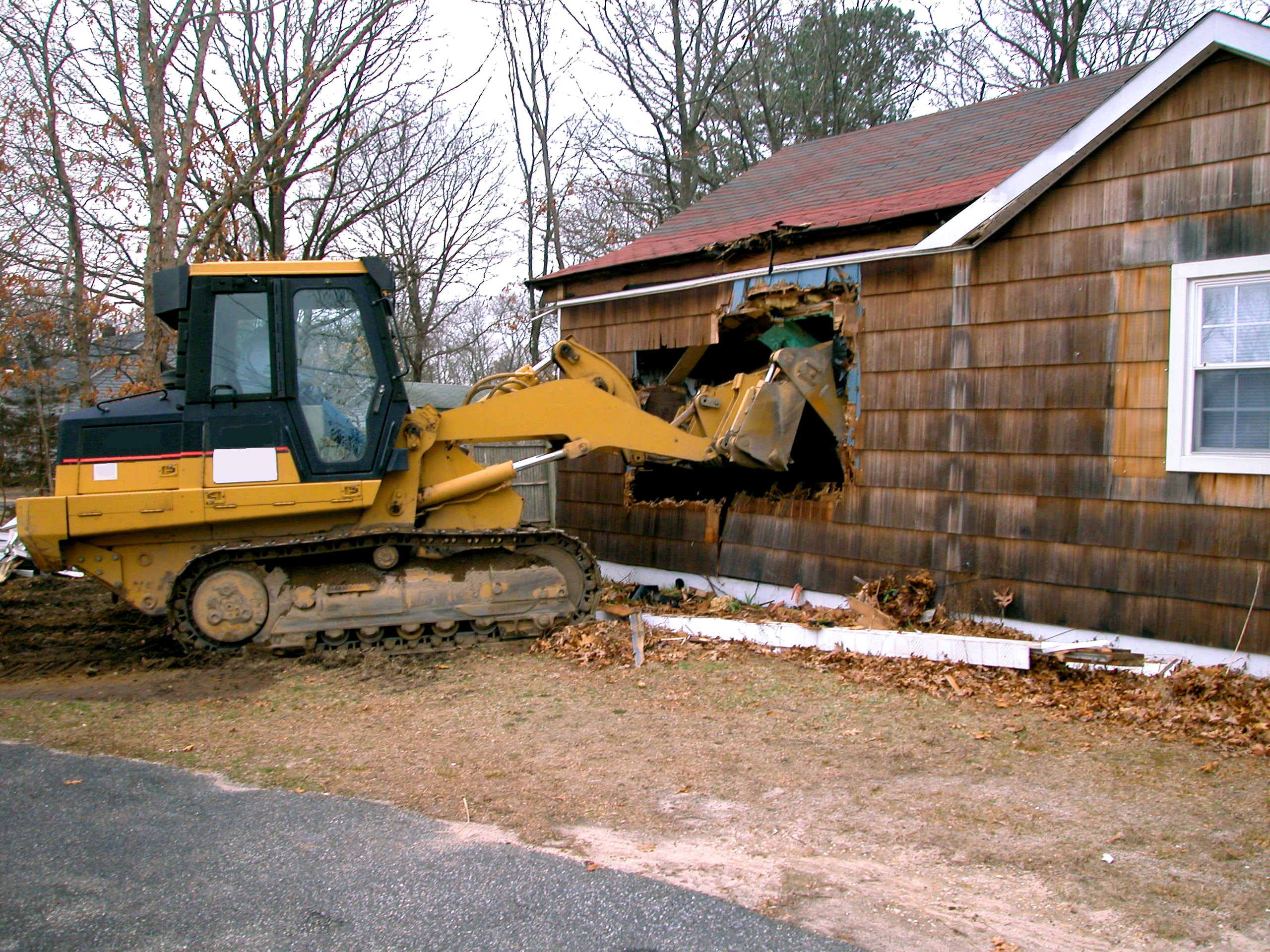
- Heavy machines, such as excavators and jackhammers, are typically required to remove concrete swimming pools
- The concrete waste may be recyclable as fill material
Fibreglass Pools
- Fibreglass shells are lighter than concrete but require careful handling during excavation to avoid cracking and the risk of creating hazardous waste
- The shell is broken up on-site and removed in sections
- Clean fill is used to backfill and compact the cavity once the shell is gone
Above-Ground Pools
- The simplest to remove. The steps are draining, dismantling, and removing the frame and liner
- There is normally far less excavation work involved in comparison to in-ground pools
- Site restoration is typically straightforward, often just requiring levelling and turf preparation
The Approval Process for Central Coast Pool Removal
Permits and approvals are often a source of anxiety for homeowners. Pool removal contractors with local knowledge will know the current process for the Central Coast and will guide you, or even handle it all for you.
Do You Need Council Approval?
- In most cases, yes: pool removal in NSW generally requires either a Development Application (DA) or a Complying Development Certificate (CDC)
- Your local Central Coast Council may well have its own specific requirements, so always check before work begins
- Heritage-listed properties or those in conservation zones may face additional requirements
Remove your Pool from the NSW Swimming Pool Register
- All pools in NSW must be registered on the NSW Government Swimming Pool Register and are regularly subject to inspections for safety and compliance with the latest regulations
- Pool removal means this registration needs to be updated
- Homeowners should consult their licenced demolition contractor early in the process to ensure any compliance steps are not missed
The Pool Removal Process, Step by Step
This is your walk-through of a professional, well-managed swimming pool removal project.
Site Assessment and Scoping
- Your contractor visits the site to review and assess the pool type, size, soil conditions, and any access constraints
- Factors like tight access, neighbouring structures, underground utilities, and hard ground all influence the approach and equipment used
- A detailed plan is produced, and you will receive your free no-obligation quote for the proposed work
Approvals and Permits
- An application for a Development Application (DA) or a Complying Development Certificate (CDC) must be lodged with your local council
- The more straightforward CDC approval is often processed in 10-20 days, while a DA can take 8-20 weeks
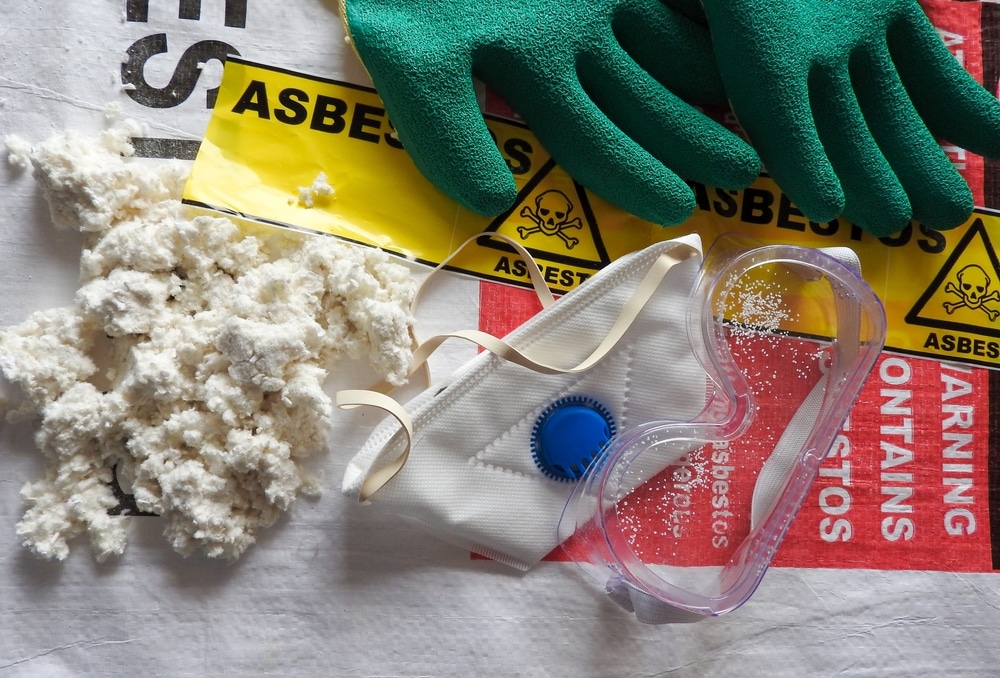
- Any asbestos materials must be included in your application (older pools may have asbestos-containing materials in surrounds or fittings)
Draining and Preparing the Pool
- The pool is safely drained, normally using a pump, with the water directed to an appropriate sewer or drainage point
- Any hazardous materials identified, like asbestos, must be removed before demolition begins
- Electrical connections and fencing are disconnected and made safe
Demolition and Excavation
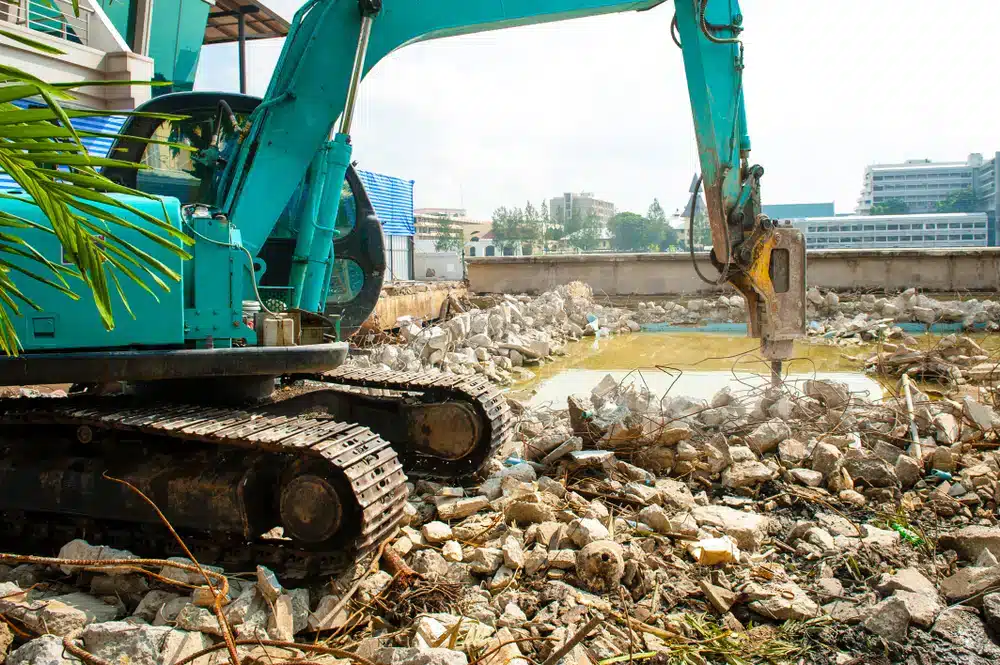
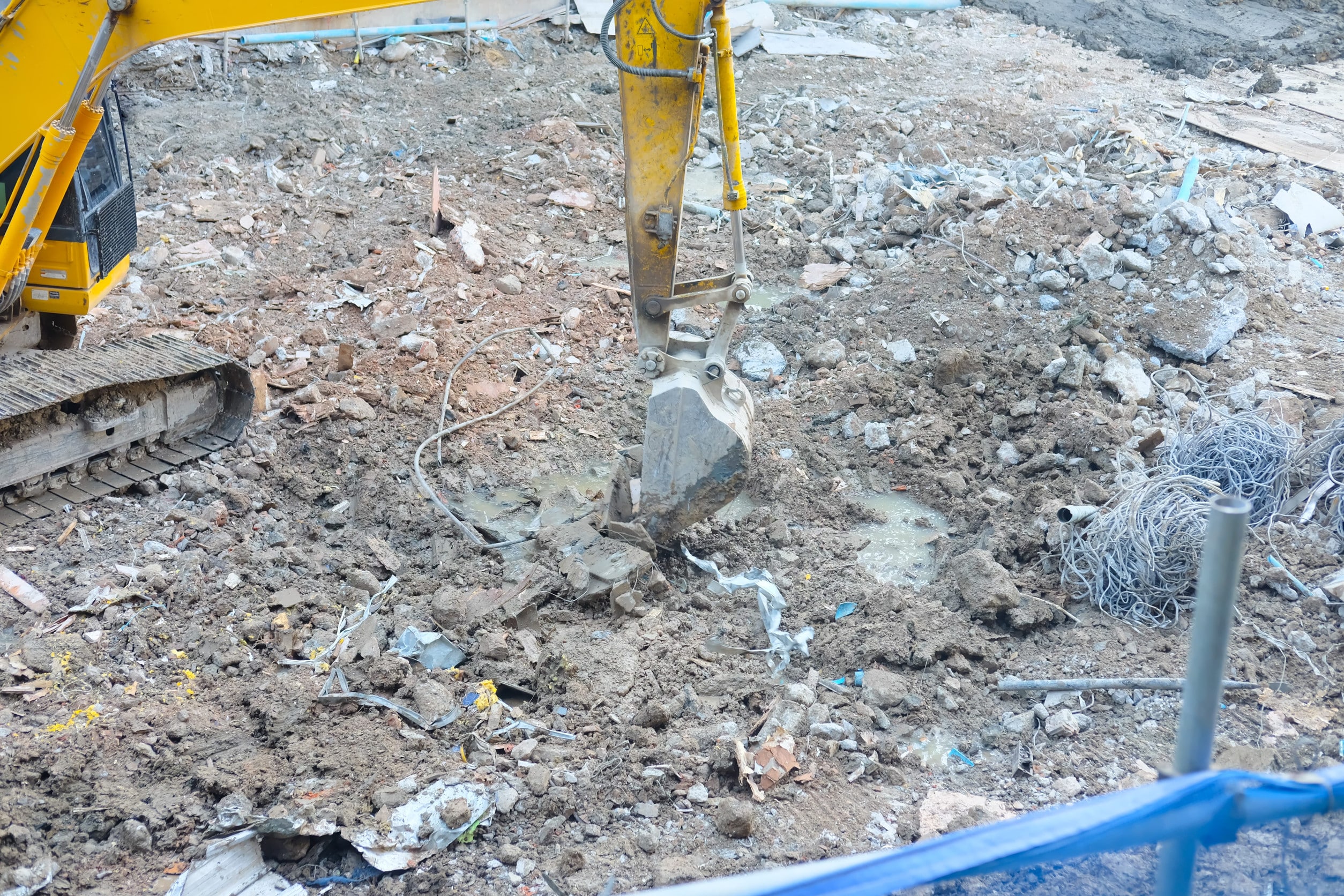
- Concrete is broken up using excavators and jackhammers; a fibreglass shell is removed in sections
- Above-ground pools are dismantled manually
- All debris, including concrete, tiles, steel reinforcement, and liner material, is removed from the site and recycled if possible, or disposed of responsibly
Backfilling and Compaction
- The cavity is filled with clean, certified fill material, compacted in layers to ensure ground stability in the future
- Beware: poor compaction is a common cause of ground subsidence; quality fill and proper technique matter
- An engineering technician or inspector may verify completion of compaction on larger projects
Site Restoration
- The area is completely cleared, levelled and graded, ready for turf laying, paving, landscaping, or other uses
- Drainage is reviewed to ensure water does not pool in the former excavation zone
- Final documentation is prepared for council sign-off
Ready to Get Started With Pool Removal on the Central Coast?
House Demolition Central Coast is a trusted local favourite. We handle the full pool removal process, including approvals, demolition, and site restoration across the Central Coast and surrounding regions in NSW.
Our team are expert and friendly. Get in touch to discuss your Central Coast swimming pool removal plans and arrange your free quote.




Leave A Comment