

If you suspect you may have asbestos in the home, don’t panic.
In many cases, intact asbestos-containing materials can stay in place safely, so you don’t need to leave the property; however, damaged, crumbling, or disturbed material may require you to stay away until it’s assessed.
We explain when it makes sense to move out, what to do first, and how professional asbestos removal will address the problem.
When Should You Move Out If You Suspect Asbestos?
You may need to move out temporarily if asbestos-containing material is damaged, friable, widespread or likely to be disturbed during repairs, renovation or demolition. Asbestos is mainly a health concern when fibres become airborne and can be breathed in.
You do not automatically need to leave simply because an older home may contain asbestos. Many older buildings in the Central Coast region contain asbestos cement sheeting, roofing, flooring underlay, eaves, pipes or other building products. If the material is sealed, intact and undisturbed, it is often lower risk.
Consider temporary relocation if:
- Ceiling or wall material is crumbling, water damaged or breaking apart.
- Loose-fill insulation may be present in the roof space.
- Asbestos dust has spread through living areas after breakage, drilling, sanding or storm damage.
- A licensed professional advises that the area cannot be safely contained.
- Removal work will create dust, noise or access issues that make staying impractical.
- You cannot keep children, pets, or vulnerable people away from the affected area.
What Should You Do First If You Suspect Asbestos?
First, stop work and avoid disturbing the material. Do not test, cut, sand, sweep, vacuum, or remove it yourself.
Follow these steps:
- Stop any renovation, demolition, cleaning or repair work near the material.
- Keep children and pets out of the area.
- Avoid sweeping, vacuuming or using power tools, as these can release fibres.
- If the material is intact, leave it alone and arrange a professional inspection.
- If the material is damaged or debris is present, lightly dampen it with water, if safe to do so, and avoid electrical fittings.
- If practical, cover small areas of suspected debris with plastic sheeting.
- Get in touch with a professional asbestos management team for advice and testing.
NSW Health and safety guidance recommends treating suspected asbestos as asbestos until it has been properly identified. A licensed professional can inspect the property, arrange sampling where needed, and advise on the safest next step.
When Is It Safe to Stay at Home?
It is often safe to stay at home when the suspected asbestos-containing material is in good condition, undisturbed, and can be isolated from daily activities. Sealed, undamaged asbestos-containing materials are generally considered lower risk.
To ensure your ongoing safety, never drill, screw, sand, pressure wash or break the material. Arrange an assessment before any building work, especially in older bathrooms, laundries, kitchens, roofs, eaves, fences and garages.
When Should You Leave Immediately?
Leave the area straightaway and contact local asbestos specialists if you suspect loose or friable asbestos, particularly if fibres or dust may be in the air. Friable asbestos is material that can be crumbled by hand and releases fibres more easily.
Leave or restrict access if:
- You suspect loose-fill asbestos insulation in the ceiling space.
- A ceiling, wall, roof or floor material has collapsed or broken apart.
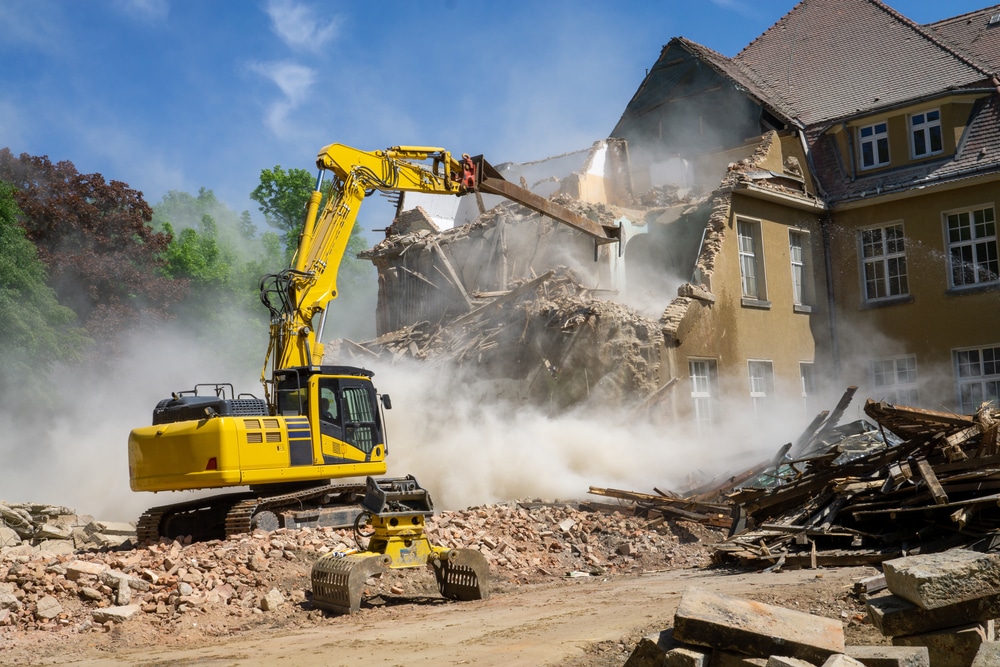
- There is visible dust after demolition, storm damage, fire or flooding.
- Asbestos-containing debris has been spread through a living area.
- A contractor has disturbed suspected asbestos without proper controls.
- After a major event, you can smell smoke, dust, or debris and cannot confirm the material is safe.
Do not enter a roof space if loose-fill asbestos is suspected. Keep the area closed, prevent access through manholes and vents, and arrange a licensed assessment.
What Happens During Safe Asbestos Removal?
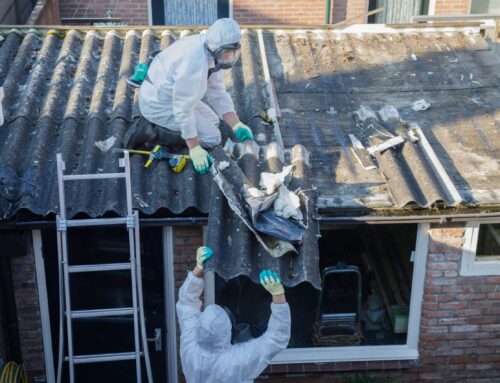
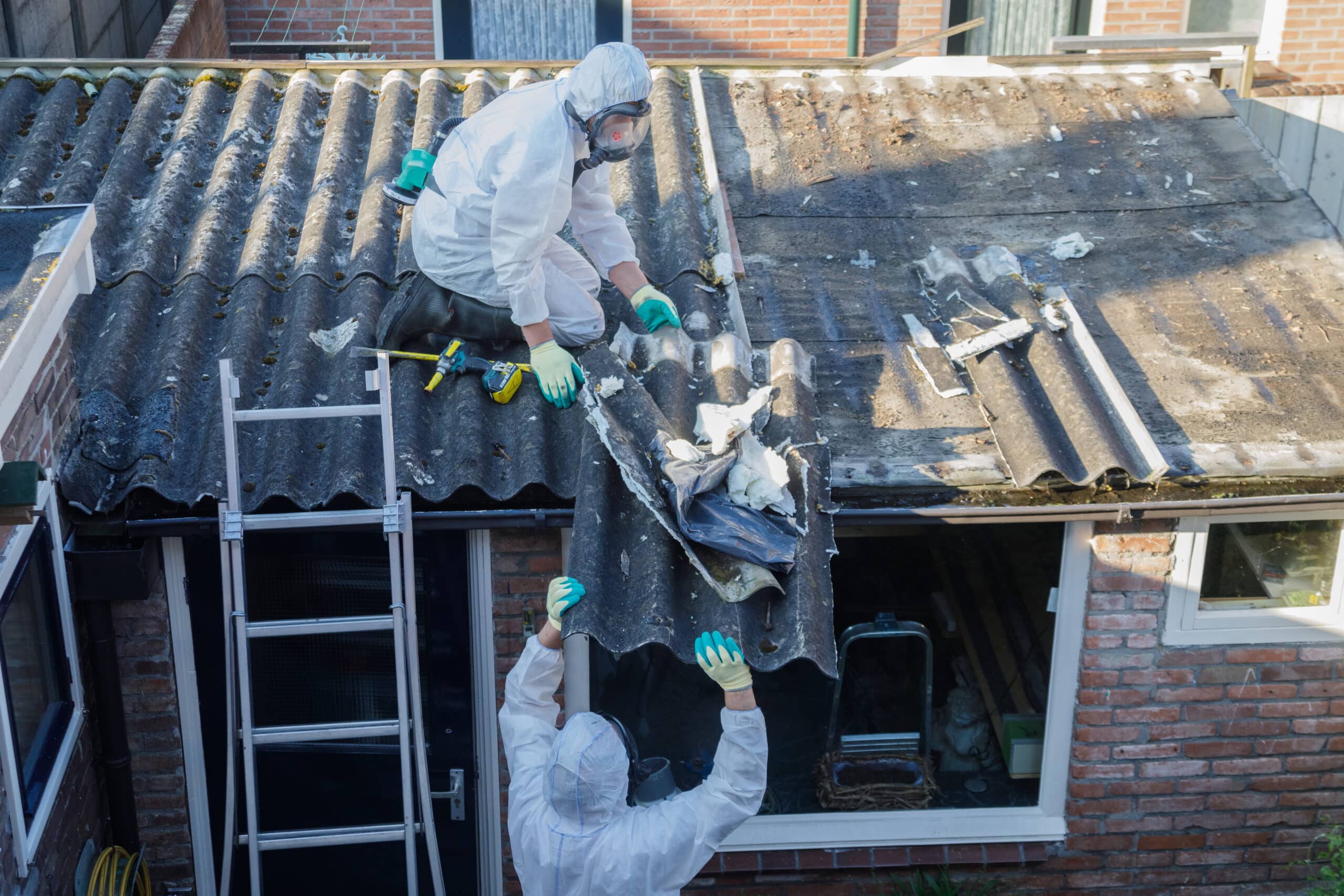
Safe asbestos removal is a controlled process that contains fibres, protects on-site workers, and ensures lawful waste disposal. In NSW, only a licensed asbestos removalist may handle any amount of friable asbestos and more than 10 square metres of non-friable asbestos.
A typical professional process includes:
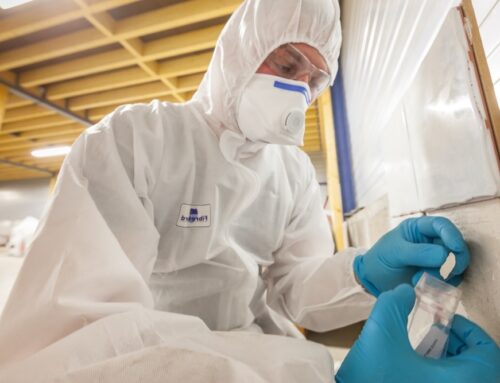
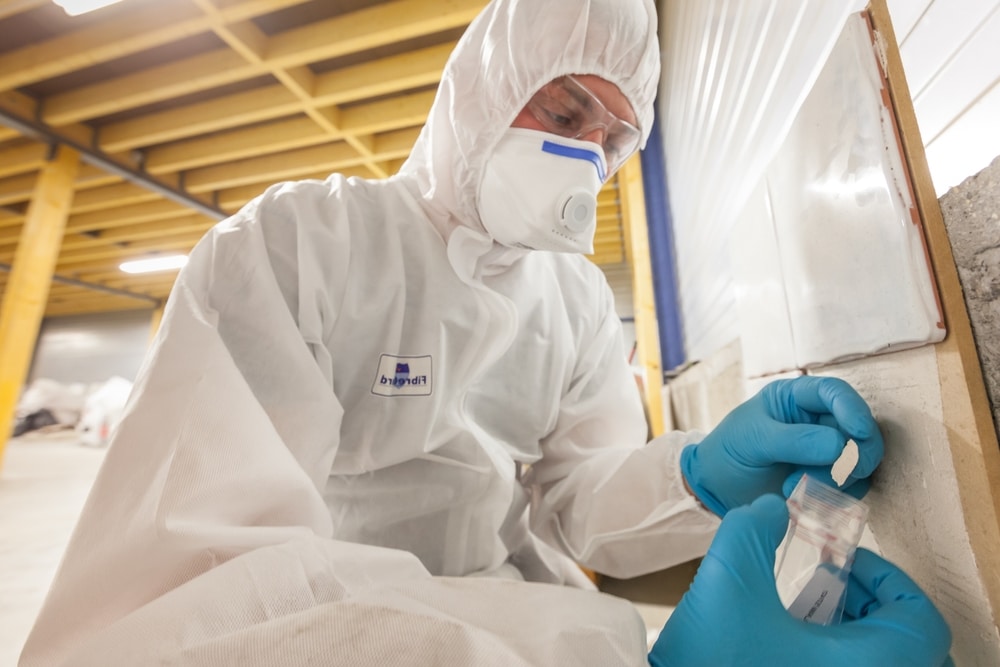
- Inspection and testing to confirm the material and its condition.
- Preparation of a removal plan and safe work method.
- Sealing of the work area with plastic sheeting and warning signage.
- Use of appropriate personal protective equipment and decontamination procedures.
- Careful wetting, removal and double wrapping of asbestos waste.
- Transport to a licensed facility that accepts asbestos waste.
- Decontamination and, where required, clearance verification before reusing the area.
Frequently Asked Questions
Can I stay in my home while asbestos is removed?
Sometimes, but it depends on the location, quantity and type of asbestos. For larger or friable removal work, professionals may recommend temporary relocation to keep occupants away from the contained work area.
Is asbestos dangerous if it is left alone?
Intact, sealed asbestos-containing material is generally lower risk. The danger increases when the material is broken, sanded, drilled, water damaged or otherwise disturbed.
Can I remove suspected asbestos myself?
We recommend using a licensed asbestos removalist for any suspected asbestos. In NSW, any friable asbestos and non-friable asbestos over an area more than 10 square metres must be removed by a licensed professional.
Does asbestos always need to be removed?
No. A professional may recommend leaving well-maintained asbestos-containing material in place if it is unlikely to be disturbed. Removal is usually considered when material is damaged, deteriorating or affected by renovation or demolition.
Get Local Help With Asbestos Concerns
If you suspect asbestos at home, the safest response is to stop, secure the area and arrange professional advice.
At House Demolition Central Coast, we help homeowners, property managers and builders across the Central Coast and surrounding regions with asbestos inspection coordination and licensed asbestos removal Central Coast.
Read our internal link page to learn more, and contact us to discuss your concerns and arrange a free quote and straightforward advice about asbestos removal on the Central Coast.


Leave A Comment