

If asbestos is affecting your plans, you should always get clear guidance before the work gets risky.
In this article, we explain residential asbestos removal NSW, the health risks, local authority requirements, safe working practices, and the questions people ask most often.
By the end, you will know what matters, what to avoid, and why you should bring in a qualified team for asbestos removal Central Coast.
What are the Asbestos Regulations NSW for Residential Properties?
Asbestos in residential properties can cause serious harm when fibres are released into the air. In NSW, the rules are in place to protect homeowners, workers, neighbours, and the wider community.
Properties built or renovated before 1990 are more likely to contain asbestos materials. That means older homes, sheds, garages, fences, roofing, and wet-area linings should be treated with care until they are properly assessed.
For most people, the key point is simple. If there is any doubt, do not disturb the material. A proper inspection and the right removal process are always safer than guessing.
Which homes are most likely to contain asbestos?
Older Central Coast homes are the most common risk. Asbestos was a popular building material for decades, so many homes still contain it in different forms.
Common locations include:
- Wall sheeting.
- Eaves and soffits.
- Vinyl flooring and underlay.
- Roofing sheets and flashings.
- Fencing and external cladding.
- Bathroom and laundry linings.
Even renovated homes can still contain asbestos if older materials were not fully removed. That is why checking before drilling, cutting, or demolition is so important.
Why is asbestos a health risk?
Asbestos becomes dangerous when fibres are released and breathed in. These fibres are too small to see, and once inhaled, often cause permanent damage.
Serious health conditions linked to asbestos exposure include:
- Asbestosis.
- Lung cancer.
- Mesothelioma.
The risk increases when materials are damaged or handled badly. Sawing, sanding, breaking, drilling, or using high-speed tools can turn a stable material into a serious hazard.
What makes asbestos dangerous during renovation or demolition?
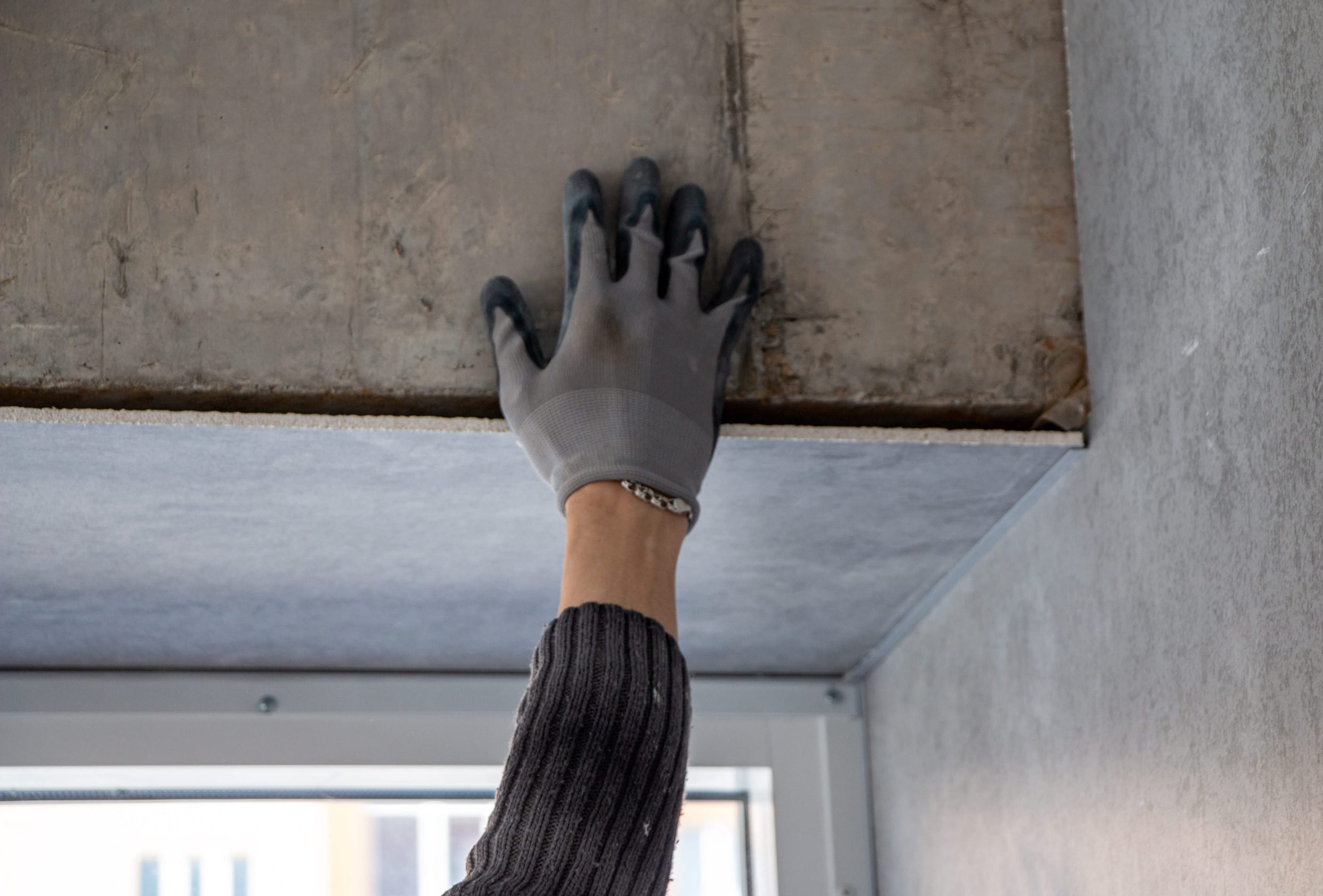
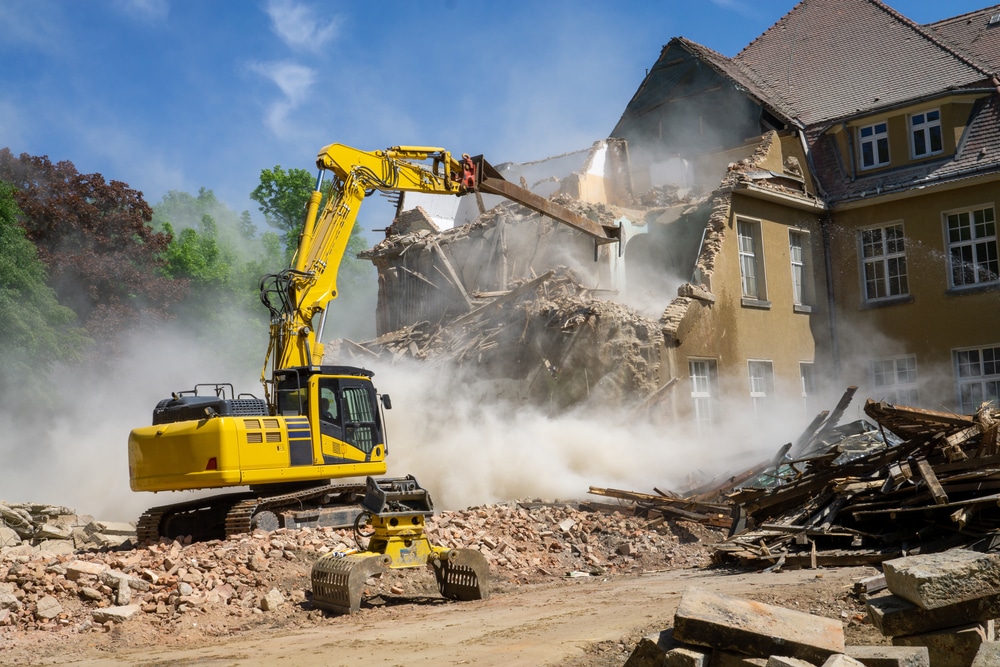
Renovation and demolition are the biggest risk points because they disturb hidden materials. A wall, roof sheet, or floor covering may look harmless until work starts.
The danger comes from:
- Airborne fibres spreading through the property.
- Dust moving into other rooms or neighbouring areas.
- Poor cleanup after the job.
- People entering the site without proper controls.
This is why safe planning matters before any work begins. Once asbestos is disturbed, the clean-up and disposal process becomes far more complex.
What are the Asbestos Regulations NSW?
NSW asbestos work is governed by a mix of workplace, environmental, and local authority requirements. The exact obligations depend on the size of the job, the type of material, and whether the work involves removal, demolition, or waste transport.
SafeWork NSW sets the practical safety standards for asbestos handling and removal. Local councils may also require approvals for demolition or renovation work.
Waste also needs to be handled correctly. Asbestos cannot be treated like ordinary building rubbish and must go to an authorised disposal facility.
Do homeowners need approval before removal?
Not always, but they often do for larger projects. Minor work may be treated differently from substantial removal or demolition, so the scope of the job matters.
You should check the requirements when:
- The work forms part of a demolition or rebuild.
- Large areas of asbestos are involved.
- The property is being prepared for construction.
- The work may affect neighbours or shared spaces.
If you are unsure, assume the job needs checking first. That approach avoids delays, penalties, and unnecessary risk.
How should asbestos be handled safely?
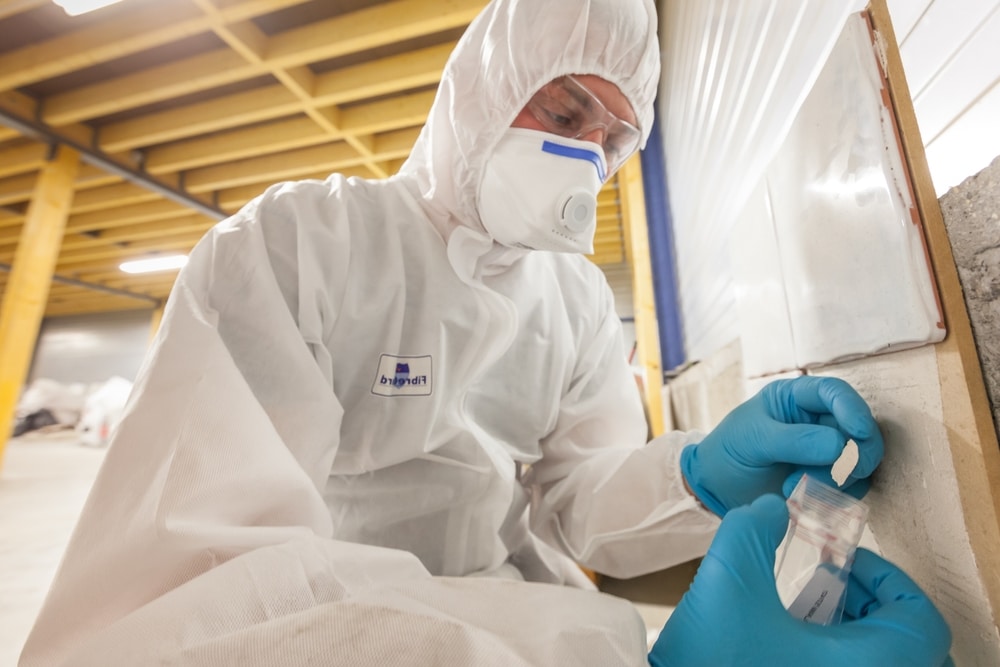
Safe asbestos work starts with identification, not demolition. The material should be assessed first so the right controls can be applied before anyone starts removing or cutting.
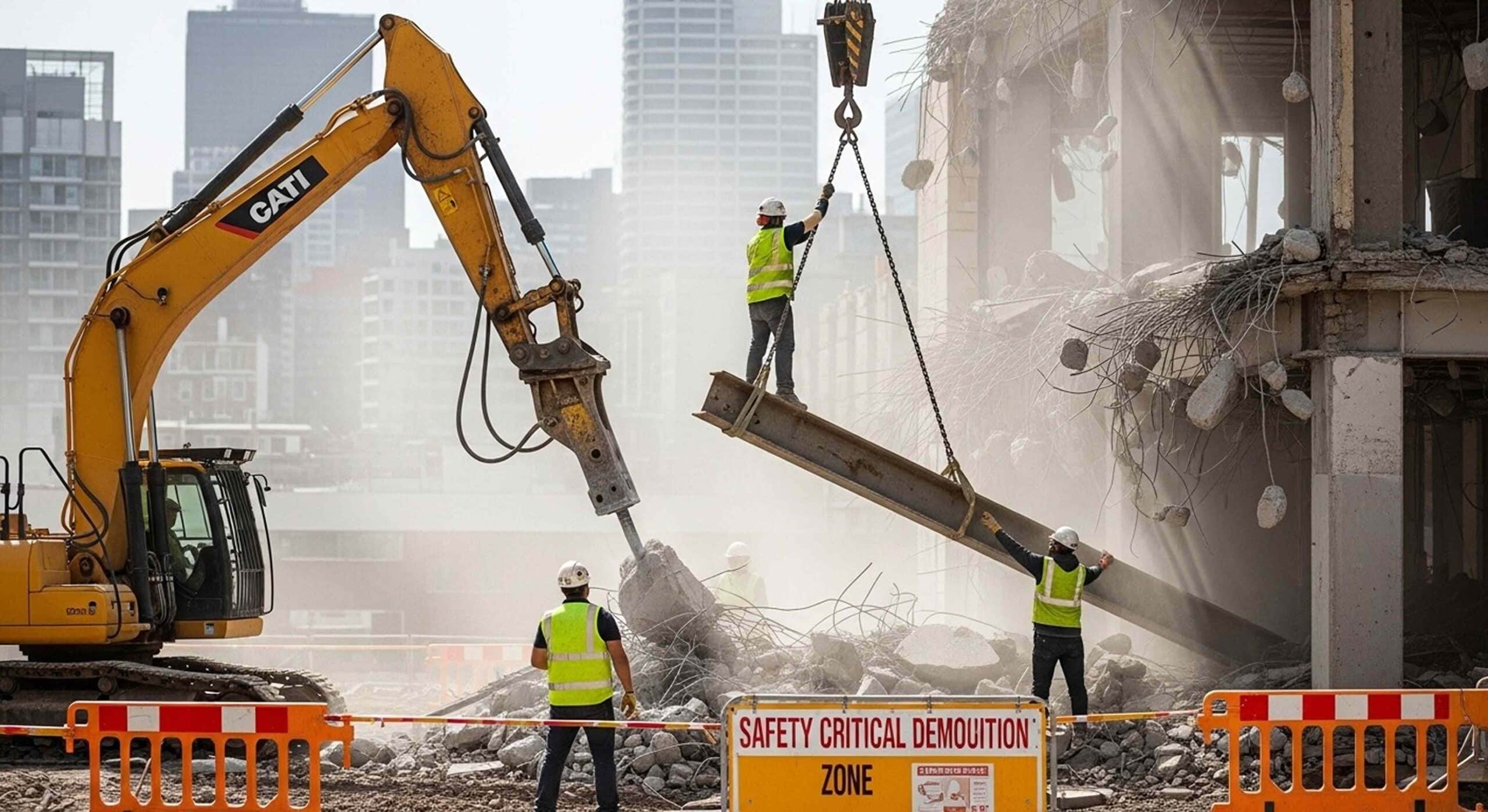
Demolition waste management is the process of separating, handling, transporting, and disposing of waste so that hazardous materials do not contaminate people or the environment.
What are the most common Questions asked about residential asbestos in NSW?
Can I remove asbestos myself in NSW?
Small, low risk work may be allowed in limited circumstances, but larger jobs should be handled by licensed professionals. If you are not certain about the material or the quantity, it is safer not to touch it.
How do I know if my house has asbestos?
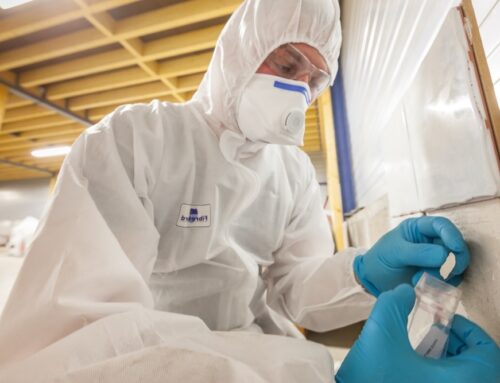
You cannot confirm asbestos just by looking at it. The safest option is to arrange an inspection or test by a qualified professional.
Do I need to tell my builder if asbestos is suspected?
Yes. Builders, demolition teams, and contractors need to know before work starts so proper controls can be put in place. This helps prevent accidental exposure and delays.
Is asbestos always dangerous if it is in the home?
Not always. The main danger comes when the material is disturbed, damaged, or handled incorrectly. Intact material still needs caution, but it is not the same as exposed dust.
What happens after asbestos is removed?
The area should be cleaned, checked, and left safe for the next stage of work. The waste must go to an authorised facility, and the relevant records should be kept.
Get help with Asbestos Removal Central Coast
At House Demolition Central Coast, we help people deal with asbestos safely, clearly, and in line with the rules that matter.
If you need residential asbestos removal NSW, check out our asbestos removal page and contact us today with any questions and to request a quote.


Leave A Comment