

If you have an old, unused, and unwanted swimming pool, removing it will provide benefits such as extra yard space, reduced maintenance costs, and improved safety.
In this article, we walk you through swimming pool removal options NSW.
Read on to understand how to remove a swimming pool NSW, including the step-by-step process, and discover some ideas to make the most of your reclaimed land.
What are your swimming pool removal options in NSW?
In New South Wales, homeowners and property managers can only opt for full pool removal to eliminate the pool structure and prepare the site for future use.
Partial removal is not offered, as it can create complications for future building or landscaping projects.
- Pool removal involves breaking up the entire pool shell, removing all debris, and backfilling the site with clean, compacted soil.
- Above-ground pools can be easier to remove, requiring only dismantling and waste removal.
- In-ground pools, normally made of concrete or fibreglass, require heavy machinery and professional handling to ensure safe and complete removal.
How does the pool removal process work?
The project to remove your swimming pool should follow a clear sequence designed to minimise disruption and ensure compliance with NSW regulations.
- Site assessment and approval
A qualified contractor inspects the pool and the surrounding area. You may need to obtain local authority approval or a complying development certificate, depending on your location and pool type. - Drainage and disconnection
The water is drained in compliance with local environmental rules. Contact relevant service providers to arrange the disconnection of all plumbing, electrical, and gas services. - Demolition and debris removal
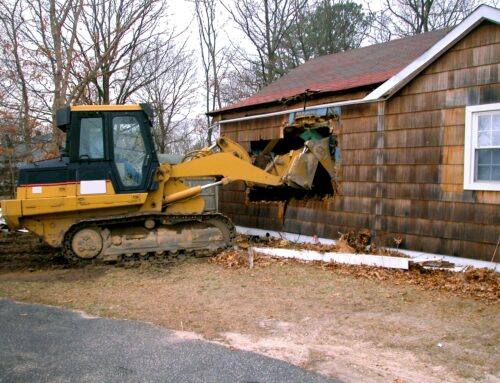
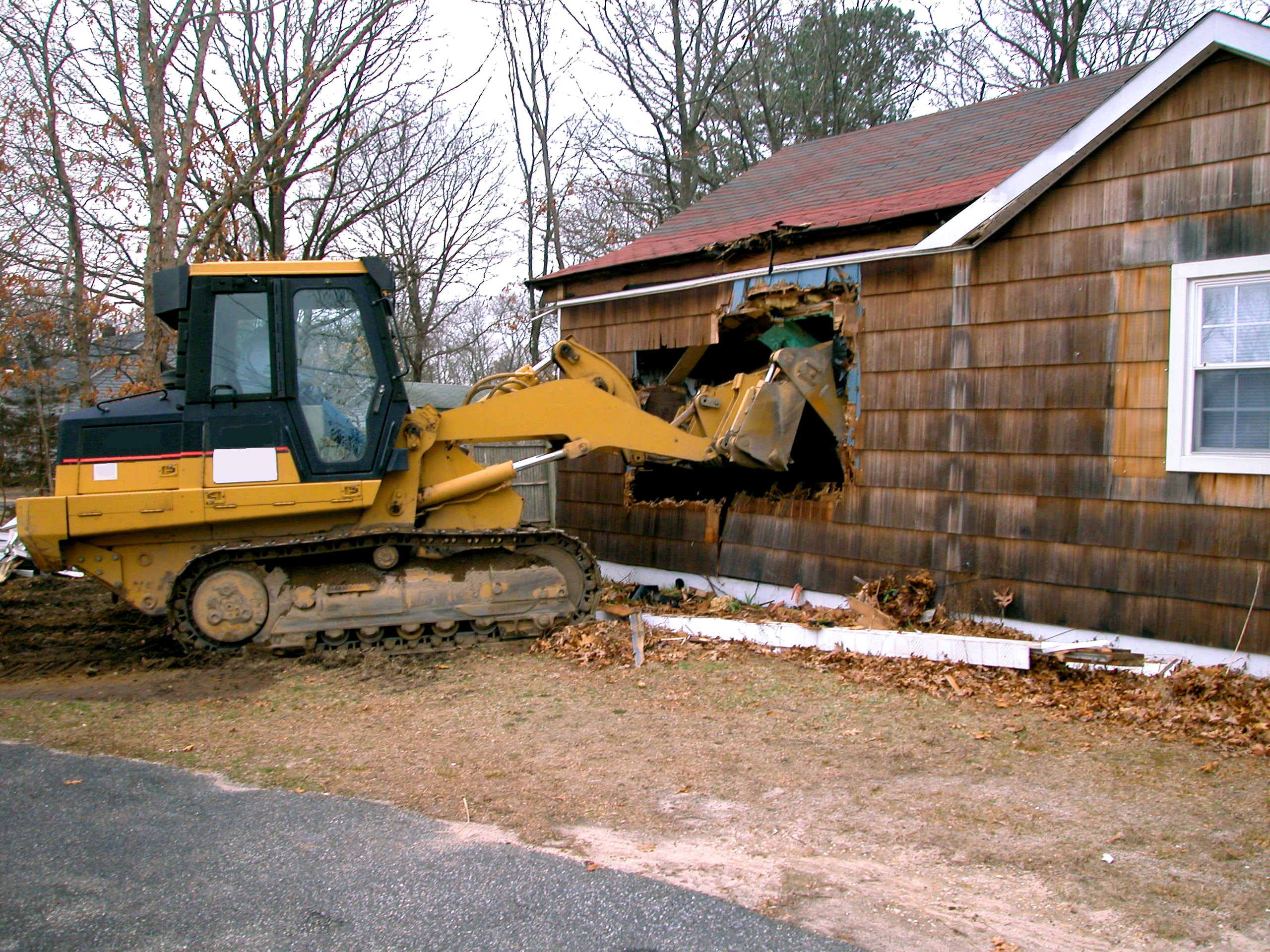
The pool shell is broken up using excavators and hydraulic breakers. All concrete, steel, fibreglass, and associated materials are taken to accredited disposal yards. - Backfilling and compaction
The space is filled with clean fill. Each layer is compacted to reduce the risk of future settlement. - Final site grading and cleanup
The area is levelled and left ready for landscaping, construction, or other uses. A compaction certificate can be provided if required for future building approval.
What can you do with the land after pool removal?
Once your pool has been removed and the site has been backfilled and prepared, you will gain flexible, usable space. Common options include:
- Garden or lawn area
A grassy area is perfect for families, pets, or enjoying some low-maintenance landscaping. - Outdoor entertaining space
Install a patio, deck, or pergola to entertain family, friends and neighbours. - Additional parking or storage
Useful if your property has limited space. - New construction
The site can support sheds, garages, or even home extensions with proper engineering.
What does pool removal cost in the Central Coast?
The swimming pool removal cost Central Coast can vary based on pool size, type, access, and disposal requirements. On average, homeowners can expect:
- Small above-ground pools: from $3,000
- Concrete pools: $8,000 to $12,000
- Blocks with potential access issues and large, complex swimming pools: $12,000+
Factors impacting cost include:
- Machinery access and site constraints
- Volume of debris and disposal fees
- Need for engineering fill or compaction certification
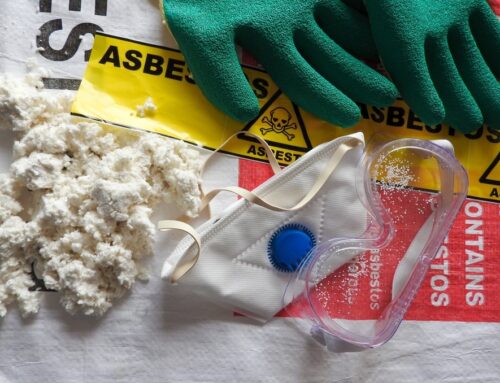
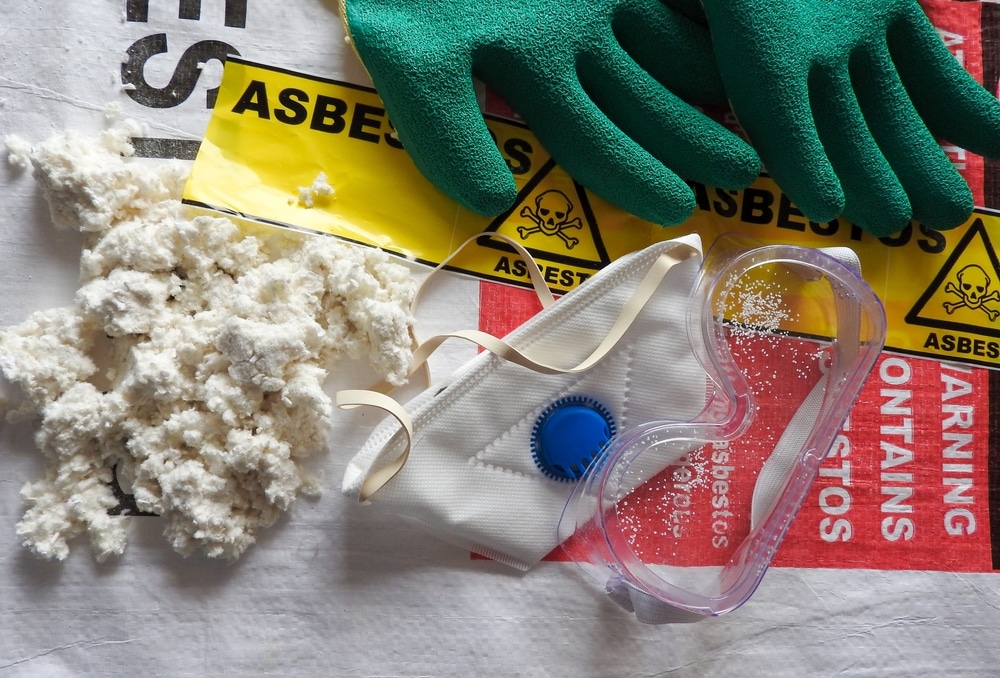
- Asbestos or hazardous material handling (if applicable)
Do you need council approval to remove a pool in NSW?
Yes, before removing a pool in NSW, you should ensure you have local authority approval or a complying development certificate.
This ensures:
- The water is drained with respect for neighbours and environmental concerns
- Your plan is in compliance with local construction codes
- Safe demolition and waste disposal practices
Your contractor can often manage this process on your behalf, saving time and reducing stress.
Frequently Asked Questions
How long does pool removal take?
Often, residential pool removals can be completed within 3 days, depending on the pool’s size and block access.
Can I remove the pool myself?
No. Pool removal requires heavy machinery, licensed waste disposal, and compliance with NSW regulations. Professional removal is strongly recommended.
Will removing my pool affect my property value?
In many cases, removing an unused or unsafe pool can increase appeal to buyers, especially families or those seeking low-maintenance yards.
What happens to the old pool materials?
Concrete, steel, and other materials are transported to authorised recycling or disposal facilities in line with environmental regulations.
Is the land safe to build on after removal?
Yes, when backfilling and compacting are complete, the site is stable and suitable for landscaping or construction, subject to proper engineering approval.
Why choose House Demolition Central Coast?
At House Demolition Central Coast, we are a local team specialising in pool removal and residential demolition projects across the Central Coast and surrounding NSW regions.
- We handle all aspects of pool removal, from approvals to final site grading.
- For your peace of mind, our team is experienced with tight-access sites and is fully licensed and insured.
- We are friendly, offering clear communication, respectful service, and environmentally responsible waste management.
- Every project includes full documentation, such as disposal receipts and, where required, compaction certificates.
If you are considering swimming pool removal options NSW, we can guide you through the process with honest advice and a no-obligation quote.
Call us today or request your free quote online. Let us help you reclaim your backyard with confidence.



Leave A Comment