
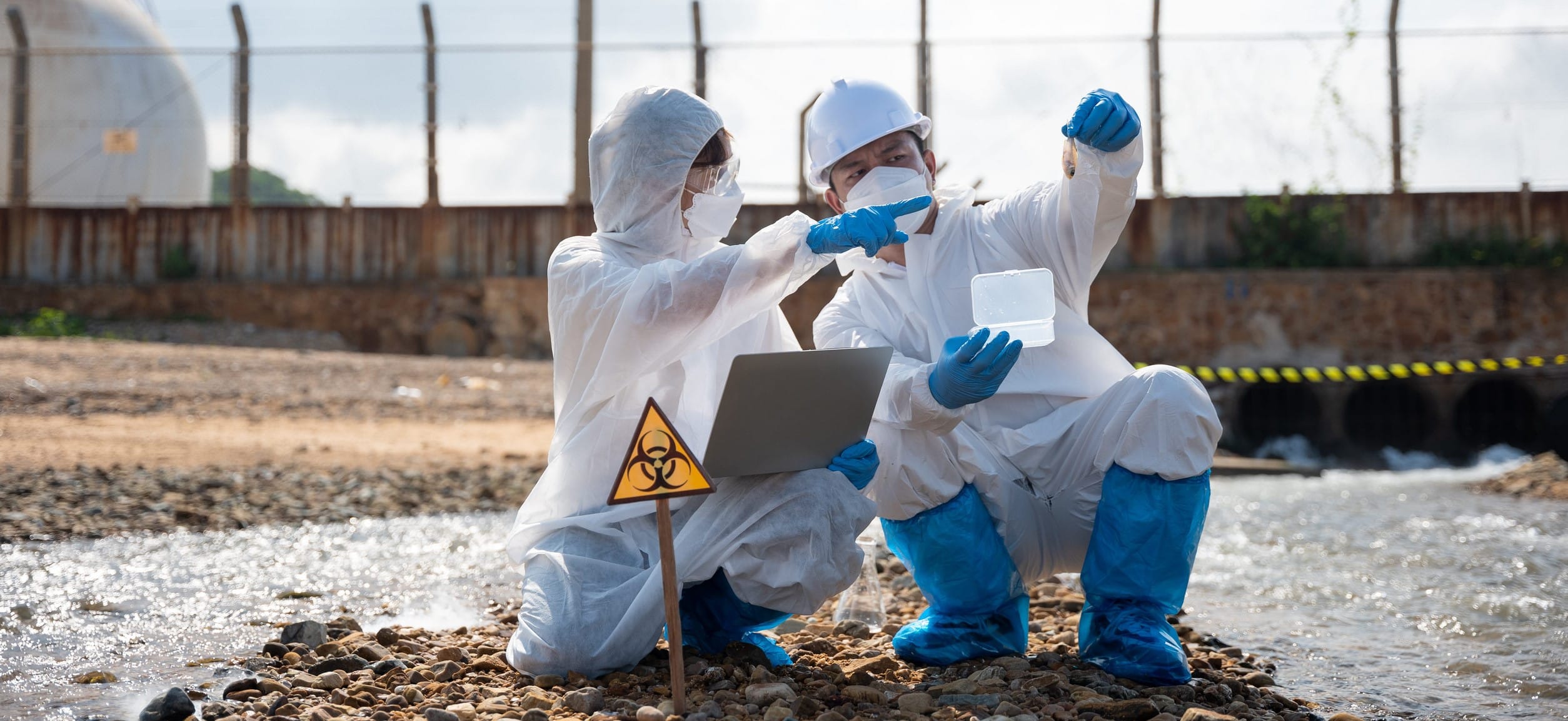
Simple. Arrange for a professional asbestos inspection Central Coast to remove your uncertainty. You will be able to stop guessing and start making safe decisions, such as lic
If you are planning work on a property and are unsure whether asbestos is present, this guide explains how asbestos testing Central Coast works, why it matters, what an inspection involves, what happens if asbestos is confirmed, and the next steps to take. Read on to find out how to move forward with confidence.
Why does asbestos testing matter?
Professional asbestos testing matters because asbestos cannot be reliably confirmed by sight alone in many cases, and guessing can lead to unsafe work decisions.
Across the Central Coast, many older buildings contain asbestos products. Common materials include roof products, flooring materials, pipes and cladding. Testing helps you avoid disturbing these materials during renovation, demolition, or maintenance.
It also helps reduce risk. Undisturbed asbestos may present a low risk, but once material is broken, cut, or damaged, fibres can be released into the air. Testing gives you the facts before work begins.
How can an asbestos inspection help you stop worrying?
An asbestos inspection removes any uncertainty. Instead of relying on guesswork, you get a structured assessment of the property, suspected materials, and the likely risk level.
A good inspection will:
- Confirm whether asbestos is present.
- Ensure safer planning for renovation or demolition.
- It creates a written record for owners, managers, and contractors.
- Reduce delays later in the project.
For property managers, demolition teams, and builders, that clarity matters just as much as it does for homeowners. It helps everyone plan the work properly, manage risk, and avoid costly surprises.
What happens during an asbestos inspection?
Asbestos inspection Central Coast is a step-by-step process designed to confirm what is in the building and what needs to happen next.
How does the inspection usually start?
The inspector checks the areas where asbestos is commonly found. This may include walls, ceilings, eaves, roofing, cladding, flooring, pipes, or other suspect materials.
What happens if a sample is needed?
A sample is taken using controlled safety procedures and sent to a laboratory for analysis. This is the part that gives you a clear answer rather than a guess.
What do you receive after testing?
You normally receive a report that explains the findings and outlines the next steps. Some inspection services also include photos of suspected and tested areas, which helps make the report easier to understand.
A typical inspection process looks like this:
- Site assessment.
- Identification of suspect materials.
- Safe sample collection if needed.
- Laboratory testing.
- Written report and recommendations.
What if asbestos is confirmed?
After the inspection, the next step may be asbestos removal Central Coast, management, or further assessment. That depends on the material type, its condition, and its location.
Friable asbestos is the most dangerous type because fibres can become airborne more easily and it may only ever be handled by a qualified asbestos removal contractor. Bonded asbestos is more stable, but it still needs careful handling, especially if it is damaged or likely to be disturbed.
If the material has been damaged by renovations, for instance, it may become friable and needs licensed management. That is why a proper inspection is so important before any work starts.
What are the next steps after confirmation?
Once asbestos is confirmed, the next steps should be controlled and deliberate.
Follow this process:
- Stop work in the affected area.
- Keep people away from the material.
- Do not cut, sand, drill, or break it.
- Arrange the appropriate licensed removal or management plan.
- Make sure waste is handled and disposed of correctly.
Asbestos waste can also be taken to approved facilities on the Central Coast, including Buttonderry and Woy Woy Waste Management Facilities.
Which signs suggest you should book testing now?
Testing should be booked as soon as asbestos is suspected and before work starts. The warning signs are simple.
- The property was built or renovated before 1987.
- You are planning demolition, renovation, or repairs.
- The building contains fibro, old cladding, or older roofing materials.
- The material is damaged, weathered, or crumbling.
- You cannot confirm the product type.
- Workers are unsure whether a material is safe to disturb.
If any of these apply, testing is the safer choice. It is far easier to deal with asbestos before work begins than after the area has already been opened up.
Frequently asked questions
Can asbestos be confirmed by looking at it?
No. However, some materials can resemble asbestos, so sampling and laboratory testing are needed to obtain a clear answer.
Is asbestos always dangerous?
The risk is much lower when asbestos is undisturbed. The danger rises when fibres are released into the air through damage, cutting, or removal.
Do I need a professional inspection for a small job?
Yes, if there is any doubt. Even small projects can disturb hidden asbestos, so it is safer to confirm the material before starting.
What happens if I ignore suspected asbestos?
You may expose people to avoidable risk and create a bigger cleanup problem later. It can also delay renovations or demolition once the material is discovered.
Why choose House Demolition Central Coast?
We make asbestos testing Central Coast straightforward, safe, and easy to understand. We guarantee practical advice, so you know what is happening at every stage.
At House Demolition Central Coast, we understand the Central Coast and the types of properties people work on here, from older homes to active building sites. If you need asbestos testing and inspection, or licenced asbestos removal specialists, contact us today with any questions and to arrange the first step to a worry-free home.


Leave A Comment