

If you own a home on the Central Coast that no longer meets the needs of you and your family, or is too outdated, you face a simple question: do you demolish and rebuild NSW, or sell up and move somewhere new?
The correct answer for you depends on your property, your budget, and how much you value your location.
This article explains what happened during a knock down rebuild Central Coast project and walks you through the key differences so you can make a clear, confident decision.
What Is a Knock Down Rebuild?
Exactly as it sounds, you demolish your existing home and construct a brand-new house on the same block of land. You keep your land, your suburb, your street, and your neighbours, while replacing an ageing or unsuitable structure with a modern, purpose-built home.
What Does Moving to a New Property Actually Cost?
Moving is often seen as the simpler option, but the full cost of selling and buying is frequently underestimated. When you sell your existing home and purchase a new one, you encounter a range of expenses that add up quickly.
Typical costs of moving to a new property include:
- Real estate agent commission: generally 1.5% to 3% of the sale price
- Stamp duty on the new purchase: one of the highest upfront costs in NSW
- Legal and conveyancing fees
- Building and pest inspections on the new property
- Removalist costs and short-term storage
- Mortgage break fees if you are on a fixed rate
In NSW, stamp duty alone on a $900,000 property sits at approximately $35,000 to $40,000. That is money spent on a transaction, not on the property itself.
How Do the Costs of a Knock Down Rebuild Compare?
A knock down rebuild Central Coast also involves costs, but you avoid some of the largest expenses associated with buying and selling.
What Does Demolition Cost on the Central Coast?
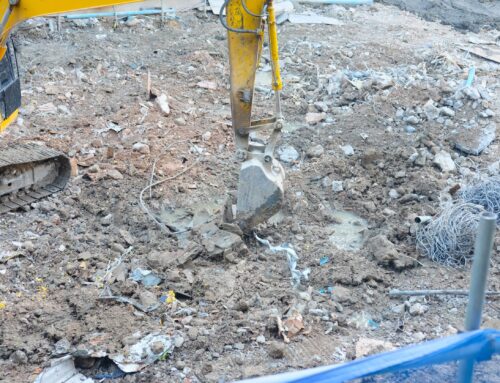
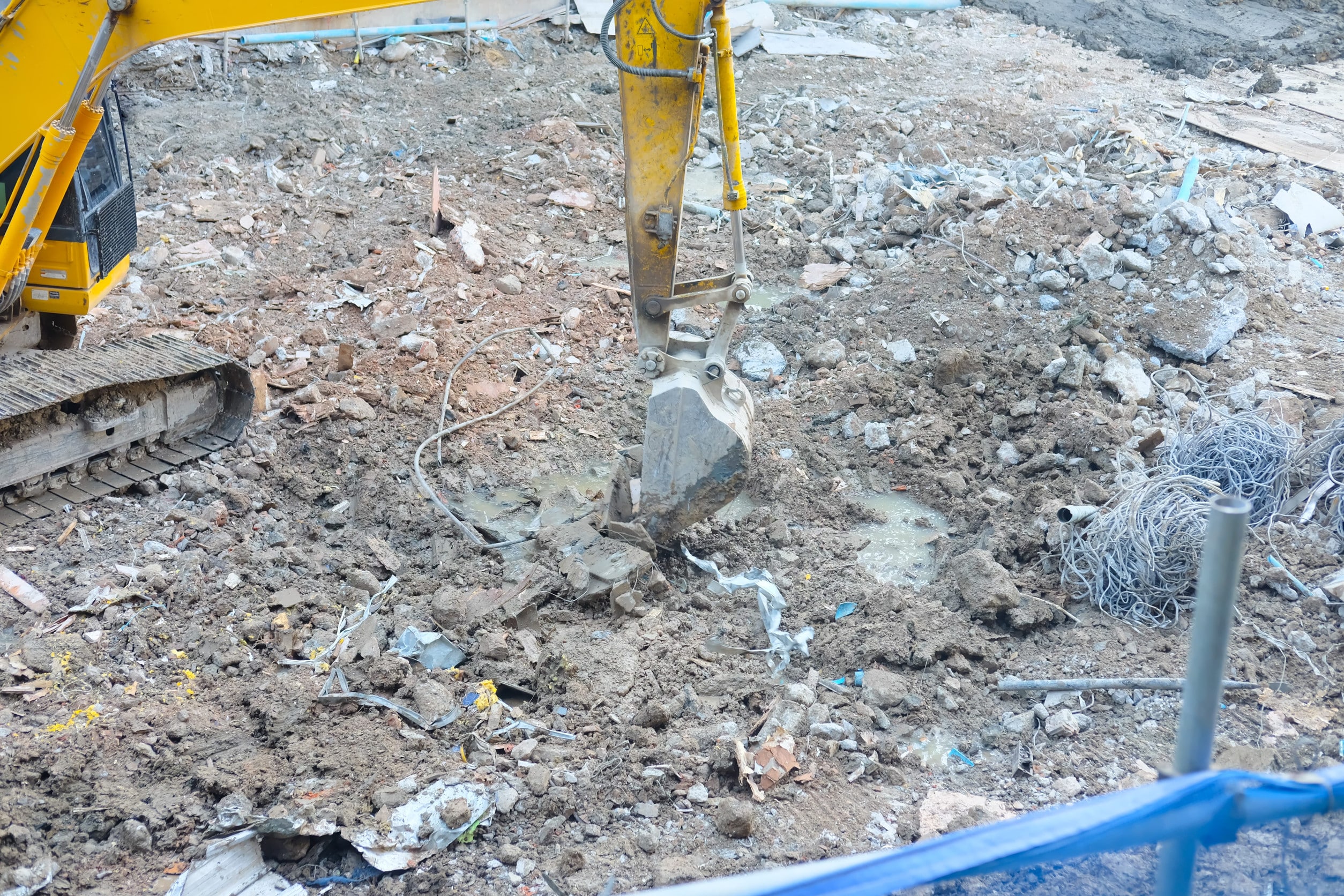
Demolition costs for a residential home in NSW can be from $15,000 to $40,000. The total cost is affected by the size of the house and any site access problems.
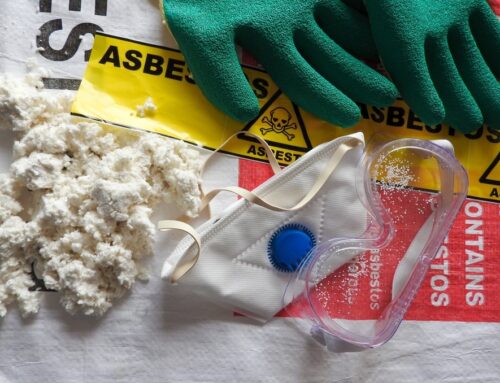
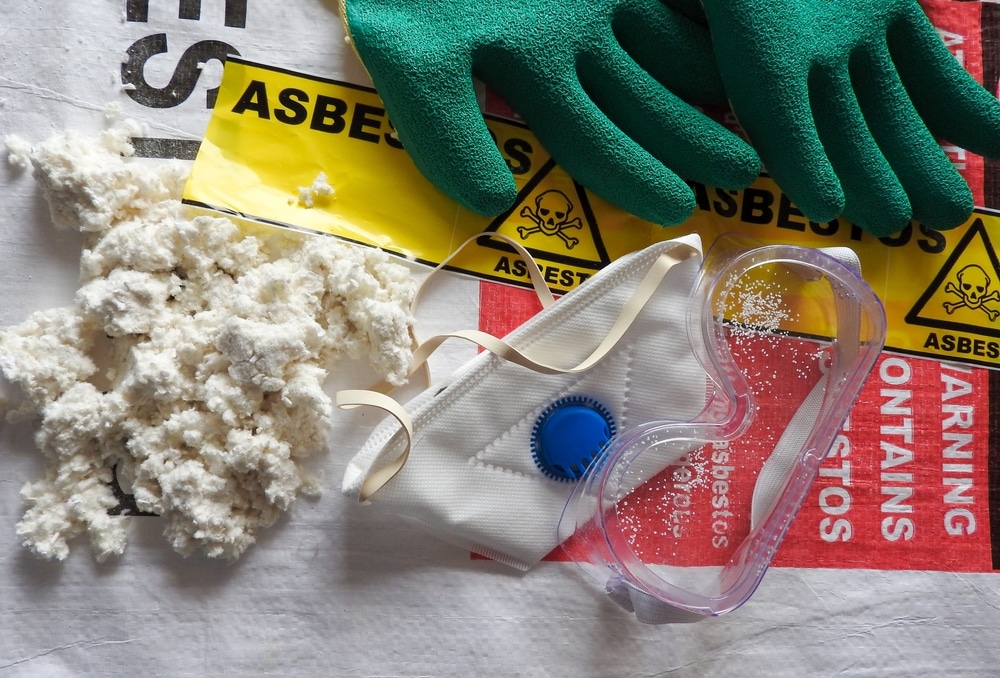
Homes with asbestos-containing materials will have to have licensed removal, which adds to the overall demolition cost and is a non-negotiable safety requirement.
What Does the New Build Cost?
Construction costs for a new home in NSW generally range from $1,800 to $4,000 per square metre, depending on design complexity, finishes, and site conditions. A modest single-storey home of around 200 square metres could start from $360,000, while larger or more customised builds will exceed that figure significantly.
A summary of typical knock down rebuild costs:
- Demolition: $15,000 to $40,000 (or more with asbestos removal)
- Council and development approval fees: $2,500 to $15,000
- Construction: from $1,800 per square metre
- Site preparation and connection of services: varies by site
- Temporary accommodation during the build: allow 9 to 18 months of rental costs
The key financial advantage is that you already own the land, which means you pay no stamp duty on a new land purchase. For many Central Coast homeowners, that saving alone justifies the rebuild path.
Knock Down Rebuild vs Moving: A Side-by-Side Look
The table below compares the two options across the factors that matter most to homeowners and property managers.
| Factor | Knock Down Rebuild | Moving to a New Property |
|---|---|---|
| Stamp duty | None (you keep your land) | Payable on the new purchase |
| Agent commission | Payable on sale of current home | Payable on sale of current home |
| Location | You stay where you are | You may compromise on suburb |
| Design control | Full control over layout and finishes | Limited to what is available on the market |
| Disruption | Temporary relocation during build | One-off move |
| Hidden costs | Site conditions, approvals, variations | Pest/building inspections, moving costs |
| Property value uplift | High: new home on existing land | Dependent on the market |
| Timeline | 12 to 18 months, typically | Can be faster if stock is available |
When Does a Knock Down Rebuild Make More Sense?
The decision to demolish and rebuild NSW is often the better option in certain circumstances.
Some factors to keep in mind to avoid a costly mistake:
Your Block Is Worth Keeping
If your land is well-positioned on the Central Coast, close to schools, transport, beaches, or town centres, and has a valued local community, it may be the most important asset you own. Rebuilding on that land preserves the location advantage without having to start again elsewhere.
Your Existing Home Is Beyond Economical Repair
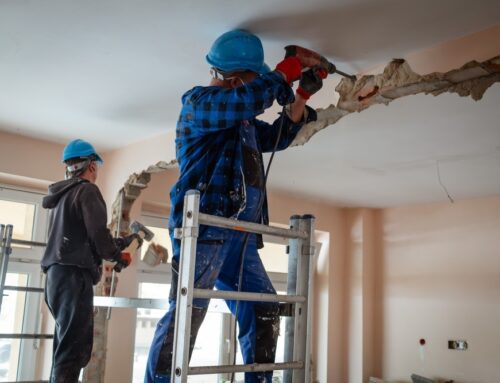
Some homes, particularly those built before 1990, would be expensive to renovate properly. Asbestos, outdated electrical systems, inadequate insulation, and structural issues can make a renovation more expensive than a full rebuild, with less certainty of a clean result.
You Want a Home Built to Current Standards
New homes in NSW must comply with current building codes, energy efficiency requirements, and accessibility standards. A knockdown rebuild gives you a home that meets those standards from day one, with warranties on both construction and fittings.
When Does Moving to a New Property Make More Sense?
There are genuine situations where selling and buying elsewhere is the more practical choice.
You Want to Relocate to a Different Area
If your reasons for leaving are about the suburb or region, not the house, then moving is the obvious solution for you. A knock down rebuild keeps you on the same block, so if the location itself is the problem, a rebuild does not solve it.
You Need to Move Quickly
The knock down rebuild process in NSW, from design finalisation through to council approval and construction, typically takes between 12 and 18 months. If your circumstances require a faster transition, purchasing an existing property and moving in is more realistic.
Your Block Has Significant Constraints
Not all land is simple to work on. Steep gradients, flood-prone zones, heritage overlays, or narrow frontages can complicate any demolition or construction project and push costs higher than anticipated.
What Is the Knock Down Rebuild Process in NSW?
Understanding the steps involved helps you plan your timeline and budget realistically.
What Are the Key Steps in a Knock Down Rebuild?
- Confirm zoning and land suitability with your local council (Central Coast Council)
- Engage a licensed demolition contractor to assess the site and provide a quote
- Arrange asbestos testing for any home built before 1990
- Obtain development approval (DA) or a Complying Development Certificate (CDC) for the demolition and new build
- Disconnect all utilities before demolition begins
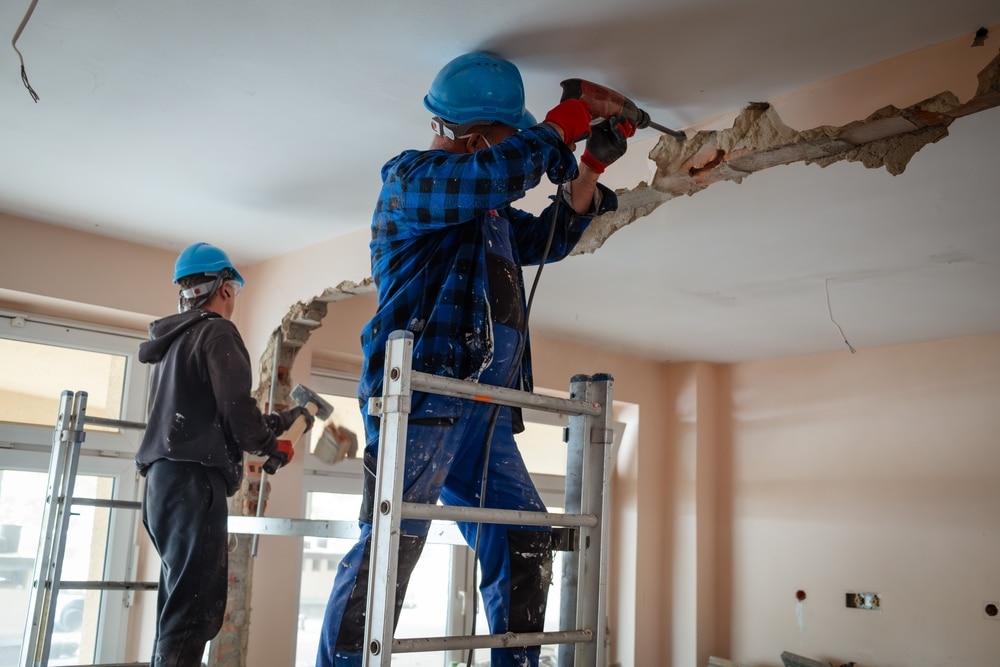
- Complete the demolition and remove all waste from site
- Prepare the site and complete foundation work
- Begin construction under a residential building contract
Do You Need Council Approval to Demolish a House on the Central Coast?
Yes. In NSW, you will need a Complying Development Certificate (CDC) or Development Application (DA), depending on the property and the work involved. Central Coast Council has specific requirements, and your demolition contractor should be able to advise on the appropriate approval pathway for your site.
Does Asbestos Affect the Cost and Timeline?
Yes, significantly. Homes built in Australia before 1990 may contain asbestos-cement sheeting, insulation, or other asbestos-containing materials. Licensed asbestos removalists must handle and dispose of these materials in accordance with NSW SafeWork regulations, and this work must be completed before general demolition can proceed. It adds cost but is both a legal requirement and a critical safety measure.
TIP: If you are considering moving home or demolishing your existing home, you should arrange an inspection and asbestos removal straightaway to avoid future delays and extra costs.
Frequently Asked Questions
Is a knock down rebuild cheaper than moving?
It depends on your circumstances. If you own well-located land and want to avoid stamp duty on a new purchase, a knock down rebuild can deliver better long-term value. However, if your site has significant complications, moving may be more cost-effective.
How long does a knock down rebuild take in NSW?
From the first site assessment through to moving into a completed home, allow 12 to 18 months. This includes the design and approval phase, demolition, site preparation, and construction.
Can you live in your home during a knock down rebuild?
No. Your existing home must be vacated and demolished before construction begins. You will need to arrange accommodation, such as rental accommodation, for the duration of the project.
What happens to the pool if I do a knock down rebuild?
If your property has a swimming pool, the options available will depend on its condition, position on the block, and the design of your new home. Your demolition contractor can advise you on what is required and what is feasible for your specific site.
Do I pay stamp duty on a knock down rebuild?
No stamp duty applies to the construction of a new home on land you already own. This is one of the most significant financial advantages of rebuilding over buying an established property elsewhere.
What are the risks of a knock down rebuild?
Key risks include cost variations due to site conditions, delays in council approvals, and the discovery of hazardous materials during demolition. Choosing a licensed, experienced demolition contractor and working with a reputable builder reduces these risks considerably.
Ready to Explore a Knock Down Rebuild on the Central Coast?
House Demolition Central Coast are a locally owned and operated demolition business based in NSW, and we have been helping Central Coast homeowners, property managers, and builders prepare their sites for new construction for over 20 years. We know the local council requirements, the site conditions across the region, and the safest, most efficient way to get a block ready for a new build.
If you are weighing up a knock down rebuild on the Central Coast, we would be happy to assess your site and give you a quote.
Contact House Demolition Central Coast today for a free quote on your knock down rebuild project.




Leave A Comment