
If the extension is structural, attached to the home, or part of unauthorised works, the answer is probably no.
A structural extension is rarely treated as simple DIY work, and in NSW it will often require either a Complying Development Certificate (CDC) or a Development Application (DA) before demolition starts.
This article will explain the problems of DIY demolition and describe the safe, legal method you need to follow.
Read on to learn how to safely handle asbestos, obtain local authority approvals, and understand how a standard, safe, and efficient Central Coast house demolition works.
No DIY for Central Coast House Demolition?
Almost certainly not. If the extension is structural, attached to the dwelling, or part of a larger knockdown-rebuild plan, approval is usually required before demolition.
If your building contains asbestos, licensed asbestos removal rules apply before demolition can proceed.
What does unauthorised development mean?
Unauthorised development is building work or changes carried out without the approvals required under NSW planning rules. This can include extensions, enclosed patios, granny flats, garages, and other additions that do not have the required DA, CDC, or related certification on record.
Does knocking it down fix an illegal extension?
No. Demolishing an illegal extension does not automatically remove the original breach, and it may create a new breach if demolition approval was also required.
This is where many owners get caught. They assume that if the structure is removed quickly, the council has nothing left to act on, but planning records, neighbour complaints, inspection history, and property files can still show that unauthorised works existed.
Why does the problem remain?
- Development consent works prospectively, not retrospectively, which means approval cannot be granted for demolition that has already happened .
- Councils in NSW have the power to issue stop-work, stop-demolition, and compliance orders when works are carried out without proper approval.
- Property records can still show a mismatch among what was approved, what was built, and what was later removed.
What should owners do instead?
- Please check whether the extension was ever approved through a DA or CDC.
- Speak with a private certifier or planning professional to confirm whether demolition can proceed as complying development or requires a DA.
- Do not begin demolition until asbestos and safety obligations have been checked.
Why is asbestos a major issue on the Central Coast?
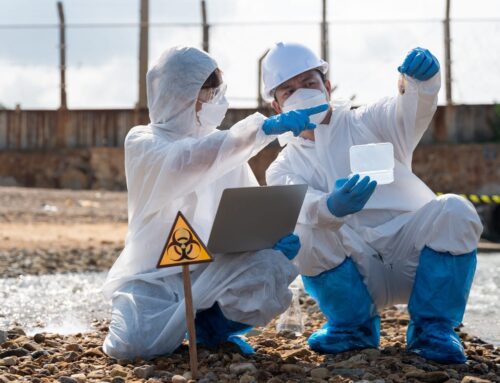
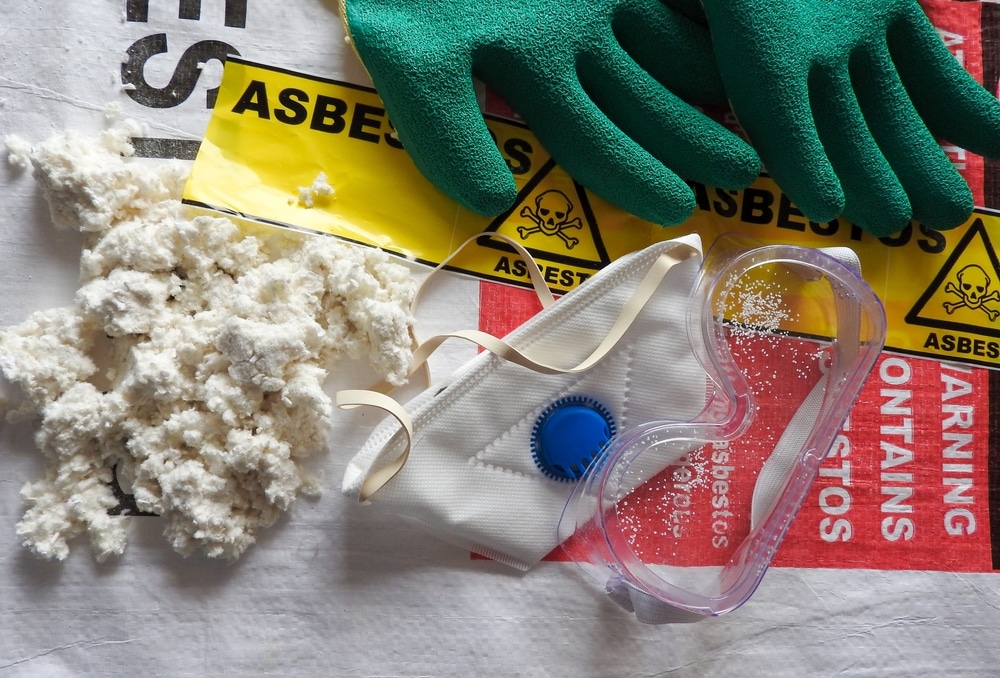
Asbestos is a major issue because many older NSW homes contain asbestos materials, and demolition work can break, disturb, or spread those fibres into the air. SafeWork NSW and NSW planning rules require asbestos to be identified and managed before demolition work proceeds.
For practical risk planning, if a home was built before 1990, asbestos should be treated as a serious possibility; if it was built before 2004, it should not be ruled out without proper inspection. That matters in Central Coast suburbs with older housing stock, where DIY demolition can put neighbours, workers, and the public at risk.
Key takeaway: Before any extension comes down, asbestos must be checked first. In demolition work, asbestos is not a side issue. It is one of the first compliance steps.
When is asbestos testing needed?
- Before renovation or demolition of older buildings, asbestos identification is required as part of safe planning.
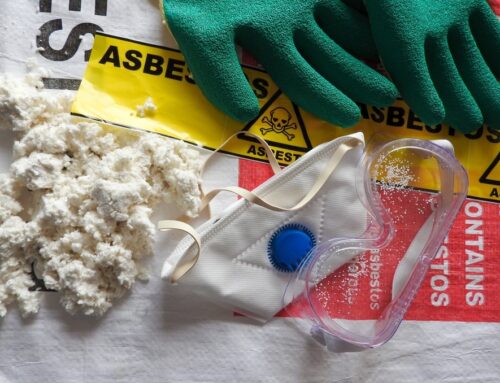
- Any amount of friable asbestos or an area of more than 10 square metres must only be handled by a licenced asbestos contractor.
- Demolition projects involving asbestos must comply with requirements for removal, disposal, and clearance before structural work begins.
What makes DIY demolition risky?
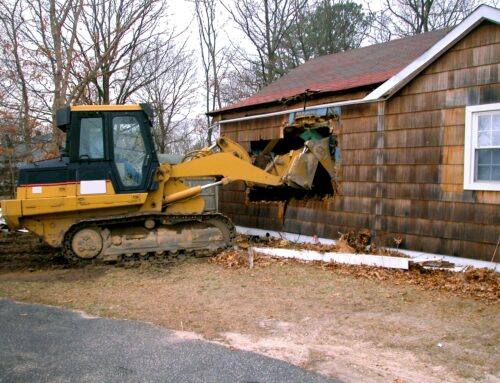
DIY demolition can turn a planning issue into a health and safety issue. Breaking wall linings, eaves, wet area sheeting, fencing, or roofing without first testing can release asbestos fibres and lead to regulatory action and clean-up costs.
Do you need a CDC or a DA for demolition in NSW?
In many cases, yes. NSW rules allow some minor demolition as exempt development, but structural demolition usually falls under complying development or requires a DA, depending on the site and the type of structure.
What is a CDC?
A Complying Development Certificate is a type of approval granted when the proposed demolition meets the relevant standards under the NSW planning framework. It is commonly used for demolition in NSW, but only where the site and the work satisfy the preset rules.
What is a DA?
A Development Application is the council approval path used where the work does not qualify for exempt or complying development. Heritage constraints, site-specific issues, or non-standard works can push a demolition project into the DA pathway.
What happens if you demolish without approval in NSW?
The main risk is that owners can face enforcement action, fines, and follow-up costs. Councils in NSW have the power to issue stop demolition orders, compliance orders, and other enforcement measures when work is carried out unlawfully.
The legal and financial impact can continue well after the structure has been removed. Problems often resurface during refinancing, insurance claims, due diligence, or the sale of the property.
Illegal demolition can cost more than legal demolition because the owner may end up paying for both enforcement and rectification.
How do knockdown rebuild regulations affect Central Coast owners?
Knockdown rebuild projects add another layer of planning control because demolition is only one part of a larger redevelopment process. Owners need to consider demolition approval, replacement build approval, asbestos obligations, site constraints, and the sequencing of all site works.
What should owners check before a knockdown rebuild?
- Whether the demolition can proceed under a CDC or requires a DA.
- Whether asbestos identification and licensed removal are required before any structural work.
- Whether site-specific controls affect the approval path for the future build.
What should you do before swinging a hammer?
The right process is simple in principle even if the paperwork is not. Please check approvals first, then check for asbestos, and only then arrange demolition with properly qualified people.
This approach reduces legal risk, protects neighbours, and gives owners a clear record of what was done and why. That is important for safety, compliance, and future saleability.
Step one: Confirm the approval status?
- Check whether the extension was approved through a DA, CDC, or another certification path.
- Review whether a BIC or other compliance step may be needed due to missing records or older unauthorised works.
Step two: Arrange asbestos testing?
- Treat pre-1990 homes as high risk and do not assume materials are safe without testing.
- Make sure any friable asbestos or more than 10 square metres of non-friable asbestos is handled by a licensed contractor.
- Obtain the correct removal, disposal, and clearance documentation before structural demolition starts.
Step three: Use licensed demolition professionals?
- Structural demolition must be carried out to the relevant standards, including the requirements of Australian Standard 2601 noted in NSW demolition guidance.
- Professional contractors can coordinate permits, service disconnection, asbestos management, site safety, and waste removal.
- This gives owners a clear paper trail and reduces the risk of costly errors.
Quick answers to common questions
Can I knock down my own extension in Central Coast?
Usually not if it is attached, structural, or part of unauthorised works. In most cases, some form of approval and safety review is needed first.
Do I need approval to demolish an extension in NSW?
Most likely yes. Minor structures may be exempt, but attached extensions usually require a CDC or DA.
Can I remove an illegal extension before council finds out?
Removing it does not erase the original breach, and demolition without approval can create a second breach. Councils still have compliance powers even after the structure is gone.
Is asbestos testing required before demolition?
For older buildings, asbestos identification is a necessary part of safe demolition planning. Licensed removal is required for friable asbestos and larger quantities of non-friable asbestos.
What is the difference between a CDC and a DA?
A CDC is a fast-track approval for work that meets preset planning standards, while a DA is the council approval process for works that do not meet those standards.
Can unauthorised works affect the sale of my property?
Yes. Buyers, solicitors, and lenders may raise questions about approvals, records, and compliance history during due diligence.
Who should handle extension demolition on the Central Coast?
Extension demolition should be handled by a properly insured and qualified team that understands local approval pathways, asbestos obligations, and safe structural removal. That matters most when the extension is attached to the home, built without approval, or located on an older site with a higher risk of asbestos.
For owners who want the process handled properly from the start, House Demolition Central Coast can assist with compliant demolition planning and structural removal across the Central Coast and surrounding NSW areas. See our house demolition service page for the next step: House Demolition Central Coast.



Leave A Comment