

Asbestos is still present in a large number of homes and commercial buildings across the Central Coast. Many property owners have no idea it’s there until they begin a renovation or demolition project.
This guide covers everything you need to know, from identifying the risks to understanding the Central Coast asbestos removal process and your legal obligations under NSW law.
Asbestos on the Central Coast: Understanding the Local Context
The Central Coast has many pre-1990 buildings, and many of them probably contain asbestos-containing materials (ACMs). Asbestos was used widely in construction because it was cheap, durable, and fire-resistant. It appeared in many parts of a building, often in places that are easy to disturb during renovation work.
If your property was built or renovated before 1990, there is a good chance that asbestos is present somewhere in the structure.
Why Is Asbestos a Serious Health Risk?
Asbestos is dangerous when its fibres become airborne. This happens when asbestos-containing materials are cut, drilled, sanded, broken, or otherwise disturbed. Once airborne, the fibres can’t be seen and can be inhaled without any awareness.
The fibres lodge permanently in the lungs and surrounding tissue. Over time, this causes serious and often life-threatening diseases such as mesothelioma, asbestosis, lung cancer and pleural disease.
One of the most important things to understand is that symptoms can take 20 to 40 years to appear after exposure. By the time a diagnosis is made, the disease is often at an advanced stage. This is why early identification and safe management of asbestos is so important.
What is the difference between friable and non-friable asbestos?
Asbestos-containing materials are classified into two categories based on how easily fibres can be released.
- Non-friable (bonded) asbestos is bound within a solid matrix, such as fibrous cement sheeting. When undisturbed and in good condition, the risk is relatively low. This is the most common type found in Central Coast homes.
- Friable asbestos crumbles easily when dry, releasing fibres into the air. It is high-risk and is more commonly found in industrial settings and pipe insulation.
Both types require professional assessment and handling in NSW. DIY removal of friable asbestos is illegal.
What Are the NSW Regulations for Asbestos Removal?
NSW has clear laws governing asbestos removal that apply to residential and commercial properties. These rules exist to protect workers, occupants, and the broader community.
Asbestos removal may only be conducted by a licensed professional, and the waste must be disposed of at an approved facility. There is no exemption from disposal requirements regardless of the quantity removed.
Who needs a licensed asbestos removalist?
- Homeowners planning renovation or demolition of any pre-1990 property
- Builders and construction companies working on existing structures that may contain ACMs
- Property managers and commercial building owners with deteriorating or damaged materials
- Anyone dealing with asbestos that has been disturbed, damaged, or identified as friable
How Does the Asbestos Removal Process Work?
Asbestos removal follows a well-established and proven process. Here is a licensed asbestos removal job, from start to finish.
Step 1: Inspection
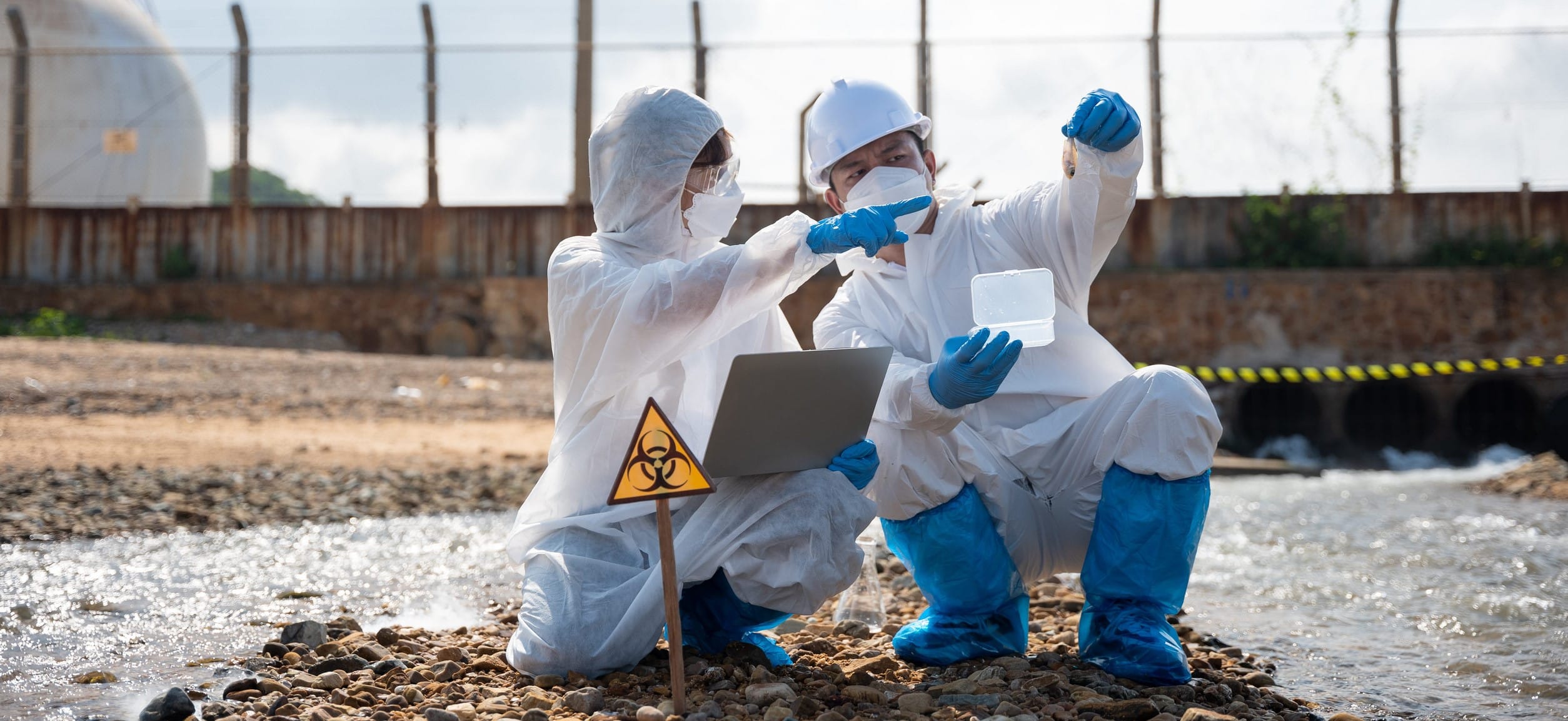
The property is inspected by a professional asbestos contractor. Samples are sealed and sent to an accredited laboratory for analysis.
Step 2: Site Preparation
The work area is isolated with plastic sheeting, and negative air pressure units may be utilised to prevent fibres from spreading.
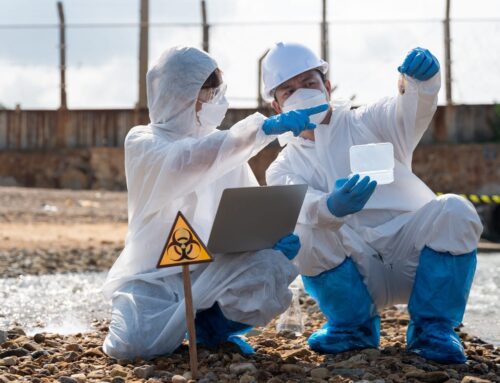
Warning signs and physical barriers are installed. Workers wear personal protective equipment (PPE), including P2 respirators and disposable overalls.
Step 3: Safe Removal
All removed material is placed in sealed containers and clearly labelled with asbestos warning stickers, as required by NSW law.
Step 4: Air Monitoring and Clearance Inspection
Air monitoring is often conducted during and after removal by an independent occupational hygienist. Upon completion of the removal, a licensed asbestos assessor conducts a clearance inspection to confirm the area is safe for re-entry and then issues a clearance certificate.
Step 5: Disposal
Safely dispose of asbestos waste at an accredited disposal facility. Documentation of disposal is maintained for compliance and provided to the property owner on request.
How Do You Identify Asbestos in Your Property?
You cannot identify asbestos by sight alone. The only reliable method is laboratory testing of a material sample by an accredited assessor or analyst.
What are the warning signs that asbestos materials may be deteriorating?
- Cracking, crumbling, or flaking of wall or ceiling linings
- Water damage to roofing sheets, eaves, or soffits
- Visible damage from previous repair or renovation work
- Wear and deterioration in older outbuildings, garages, or garden sheds
Old or damaged asbestos materials are high risk. If you notice any of these signs, do not attempt to repair or remove the material yourself. Contact a licensed asbestos removal contractor.
Frequently Asked Questions About Asbestos Removal on the Central Coast
How much does asbestos removal cost on the Central Coast?
Costs vary depending on the quantity, type, and location of the asbestos, as well as the ease of access to the site. Non-friable removal is normally less expensive than friable removal. For a small residential job, costs may be a few hundred dollars. A full fibro house removal can run to several thousand. Always get a written quote that includes disposal costs before agreeing to any work.
Is asbestos removal covered by home insurance?
It depends on your individual policy. Sudden damage, such as a storm destroying an asbestos roof, may be covered. Routine asbestos removal as part of a renovation generally is not. Check with your insurer before work begins.
How long does asbestos removal take?
A small residential job can often be completed in a single day. Larger or more complex projects, such as a full fibro house removal, may take several days. Additional time is normally required for air monitoring, clearance inspections, and certification before the site is reopened to occupants.
Can I stay in my house during asbestos removal?
For minor, well-contained works, it may be possible to remain on-site in a separate area of the property. For larger jobs or any friable asbestos removal, residents and pets must vacate until a clearance certificate is issued. Your removalist will give you guidance based on the scope of work.
What should I do if I find asbestos during a renovation?
Stop work immediately. Do not disturb the material further. Contact a licensed asbestos assessor to inspect and test the material before any work resumes. In NSW, continuing construction work without addressing a known asbestos hazard can expose both homeowners and builders to significant legal liability.
Do I need to notify my neighbours about asbestos removal?
For small residential jobs, notification may not be required. For larger projects, your local council or neighbouring properties may need to be advised. Your removalist will confirm the notification requirements based on the work.
Get Professional Asbestos Removal on the Central Coast
At House Demolition Central Coast, we are the respected provider of licensed asbestos removal services to homeowners, businesses, and construction companies across the Central Coast and surrounding regions.
Our team handles everything from the initial inspection to safe removal and disposal, providing you with a fully documented result and peace of mind.
To find out more about asbestos removal Central Coast, or to arrange a quote, visit our asbestos removal page
Or get in touch directly to discuss your project.


Leave A Comment